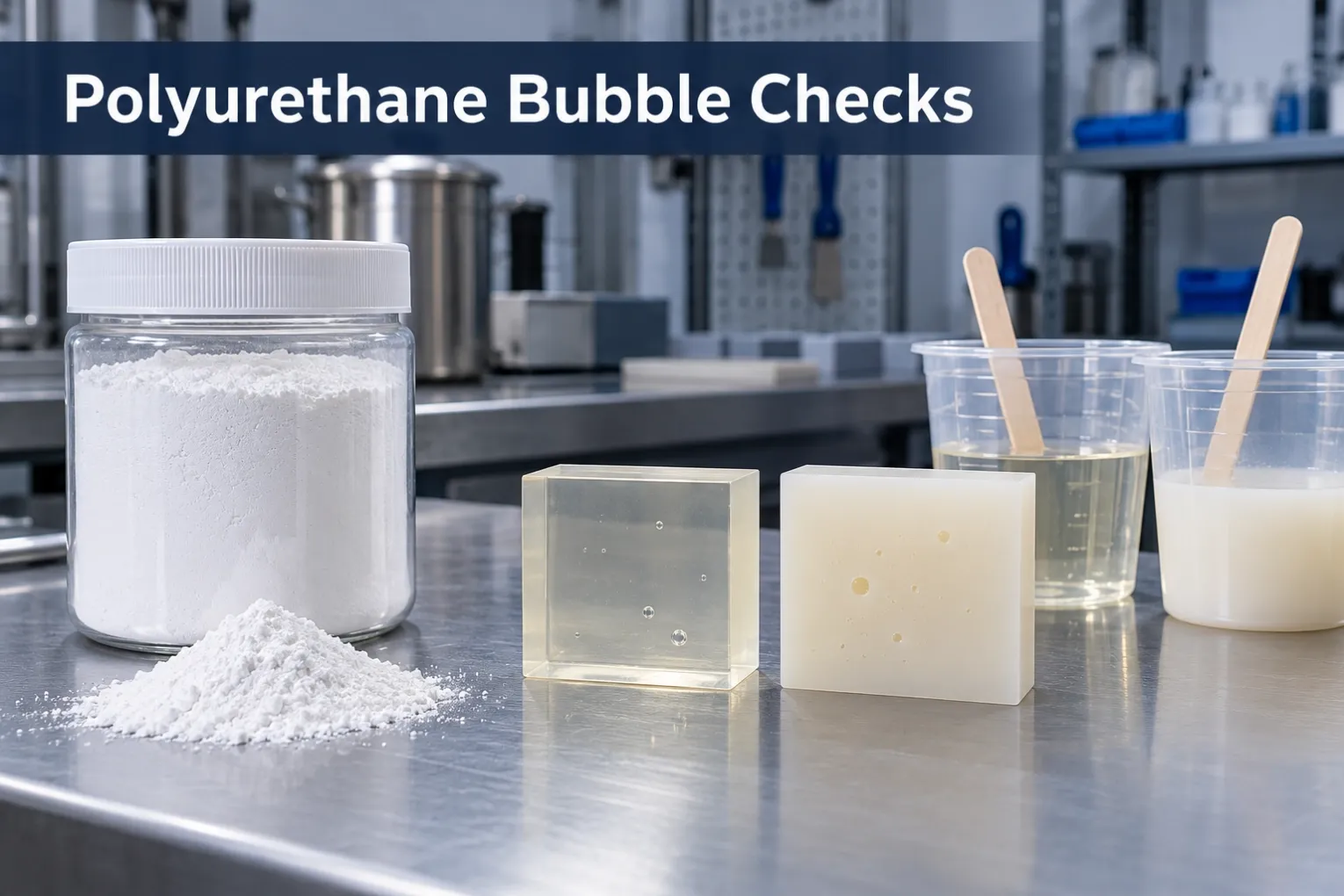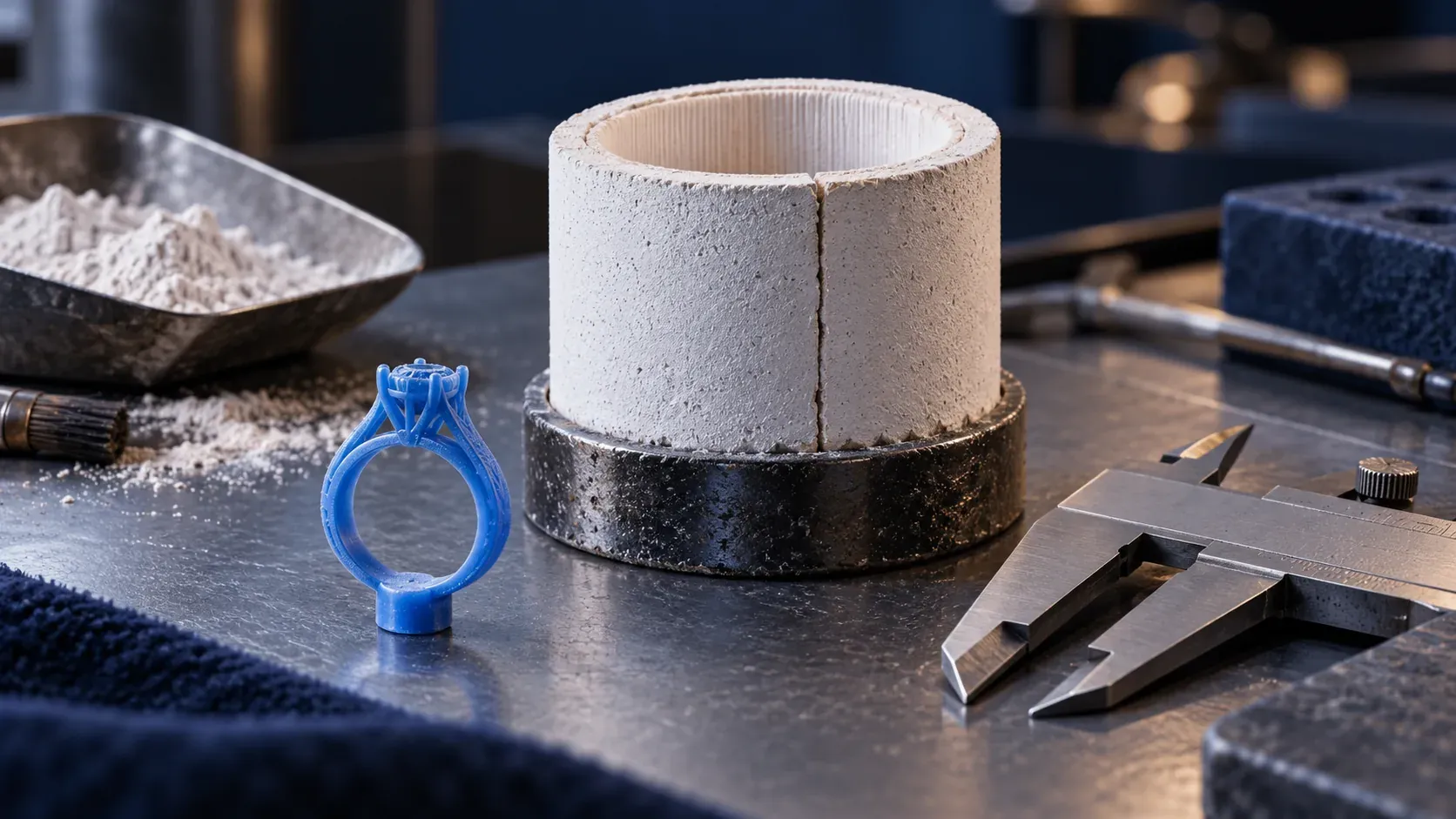
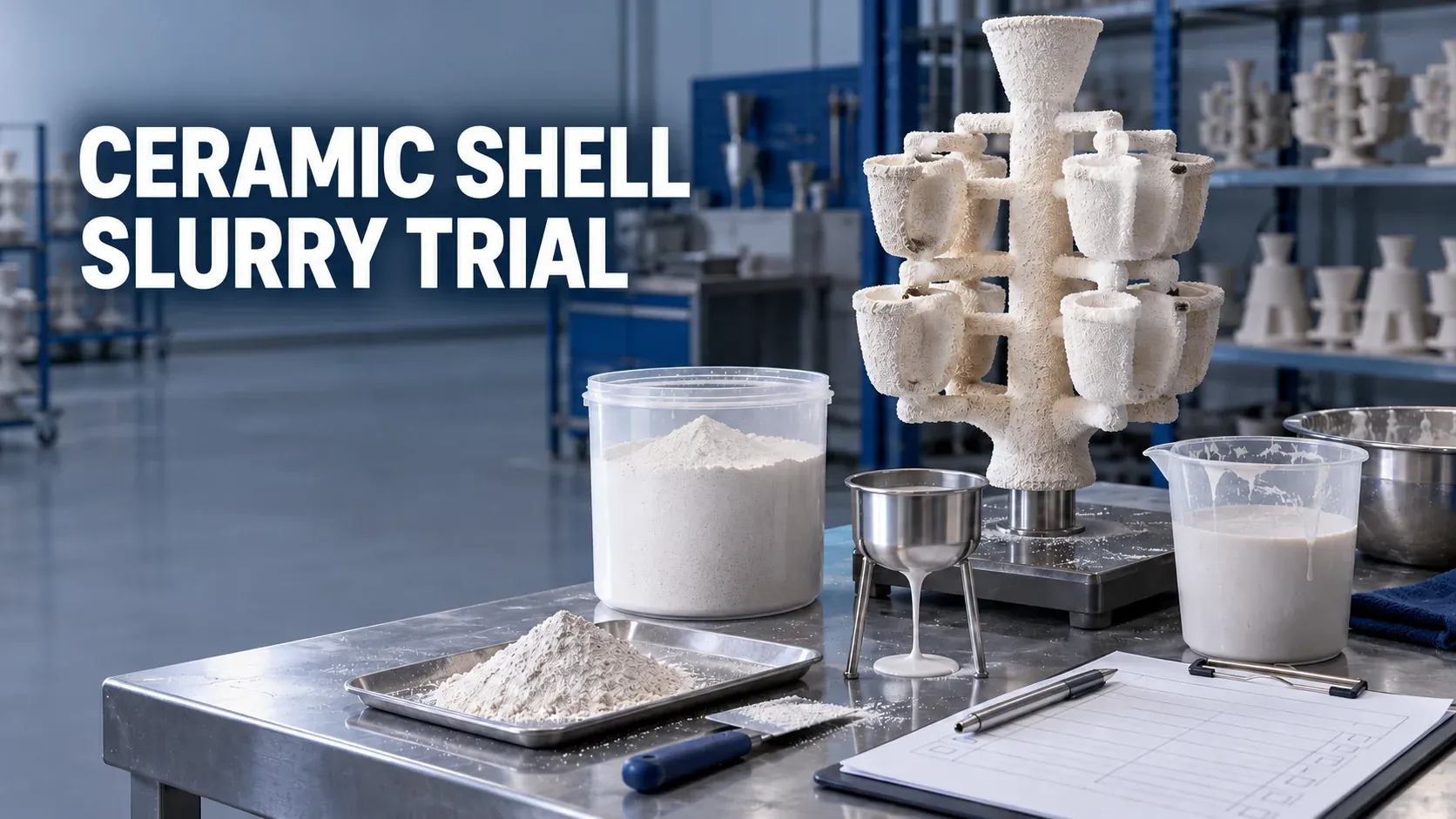
Trial objective: Evaluate whether a specific fused silica flour lot fits your ceramic shell process by measuring slurry behavior and shell outcomes together. This is a qualification method for investment-casting shell slurry; it does not assess ceramic-core leachability, shell knockout or general grade selection.
Keep the comparison controlled: one powder change · one defined baseline · repeated measurements · documented process conditions.
A single viscosity reading cannot show how a shell slurry behaves across its working window or whether that behavior corresponds with the properties of the finished shell. Powder, binder, temperature, mixing history and slurry age all matter. A useful fused silica investment casting shell slurry viscosity trial follows the material from receipt through coating, drying and shell testing.
Set a baseline before changing the flour
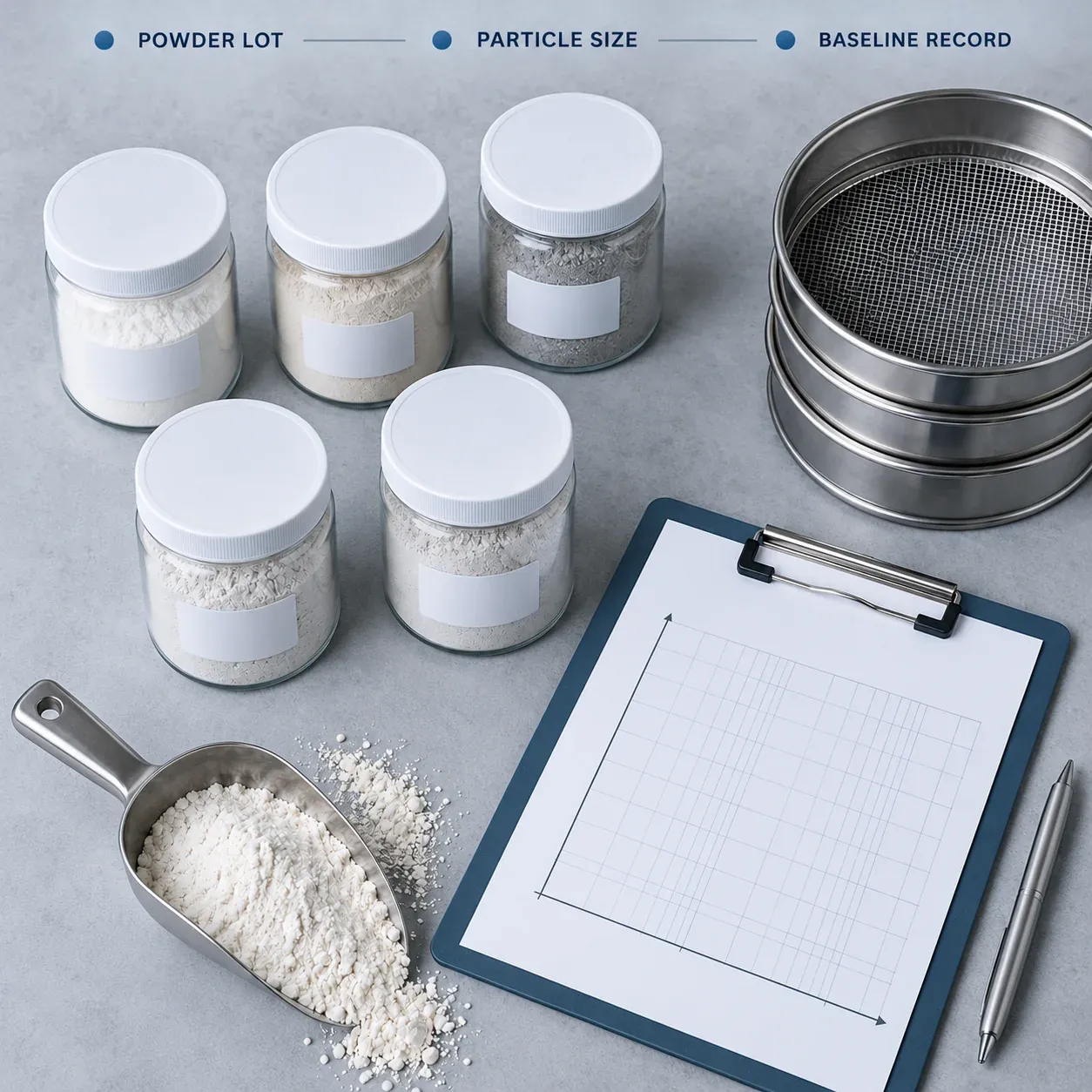
Record the current production recipe and the control flour lot before introducing a trial lot. For both lots, capture the supplier lot number, available certificate data, particle-size distribution and the method used to measure it. Add storage and conditioning notes. A nominal mesh designation alone does not describe the full particle-size distribution.
Keep binder type and lot, solids ratio, additives, mixing sequence, tank geometry and agitation settings constant. Record slurry make-up time, age and temperature. Do not change binder concentration or additives during the powder comparison.
Measure slurry drift through the working window
Choose one repeatable viscosity method and use the same instrument, spindle or flow cup, sample volume and temperature for every reading. Measure at a defined point after mixing, then at planned intervals that represent the intended working period. Record density at the same intervals; it can help flag settling, evaporation or a solids shift. Note whether and how the slurry was mixed before sampling.
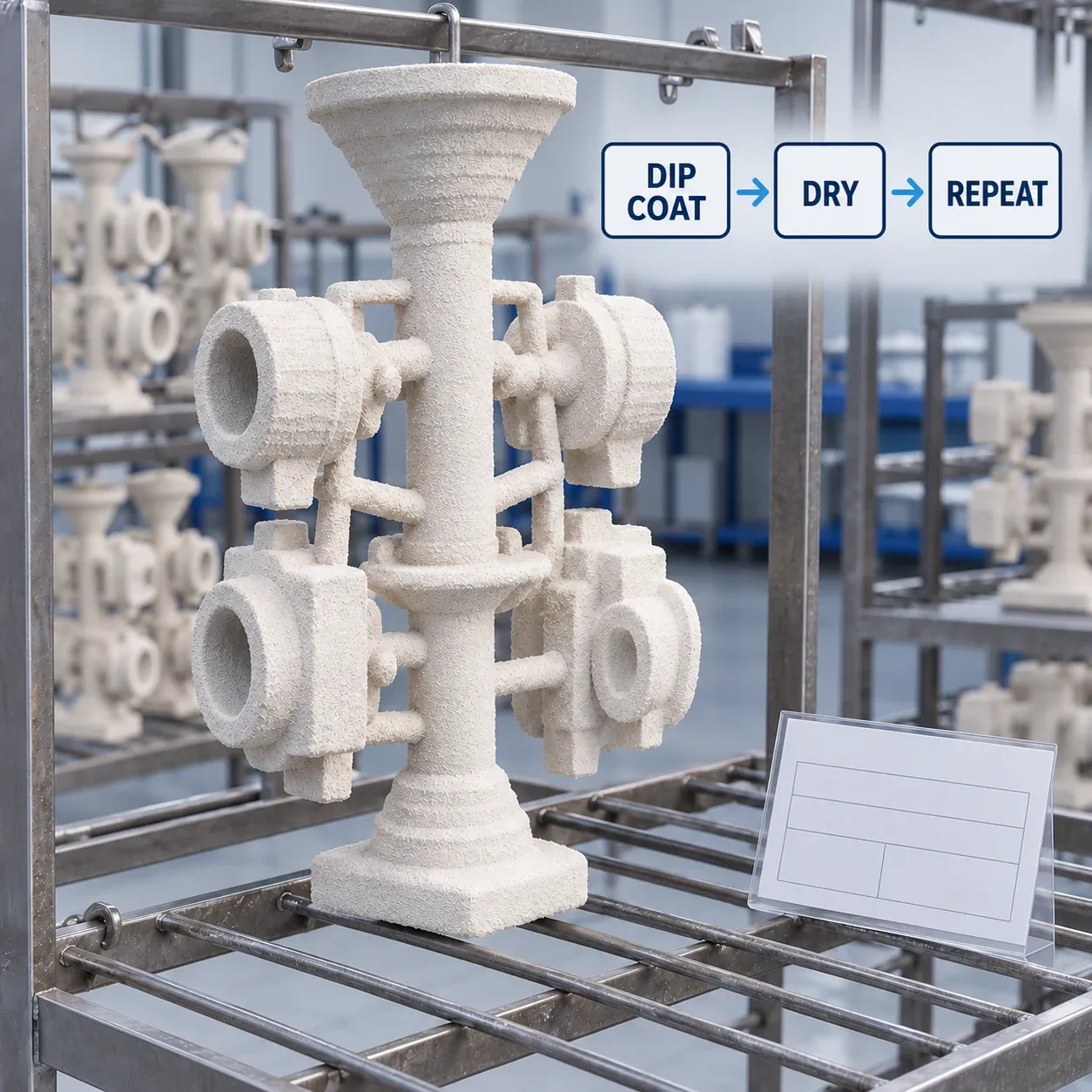
For each coat, log slurry age and temperature, viscosity and density, dip and drain conditions, and pickup where your process measures it. Record the interval before the next coat. Also capture drying temperature, humidity and airflow where available. If cracks appear, photograph and map their locations consistently rather than relying on a general “good” or “bad” note.
Pair drying observations with shell tests
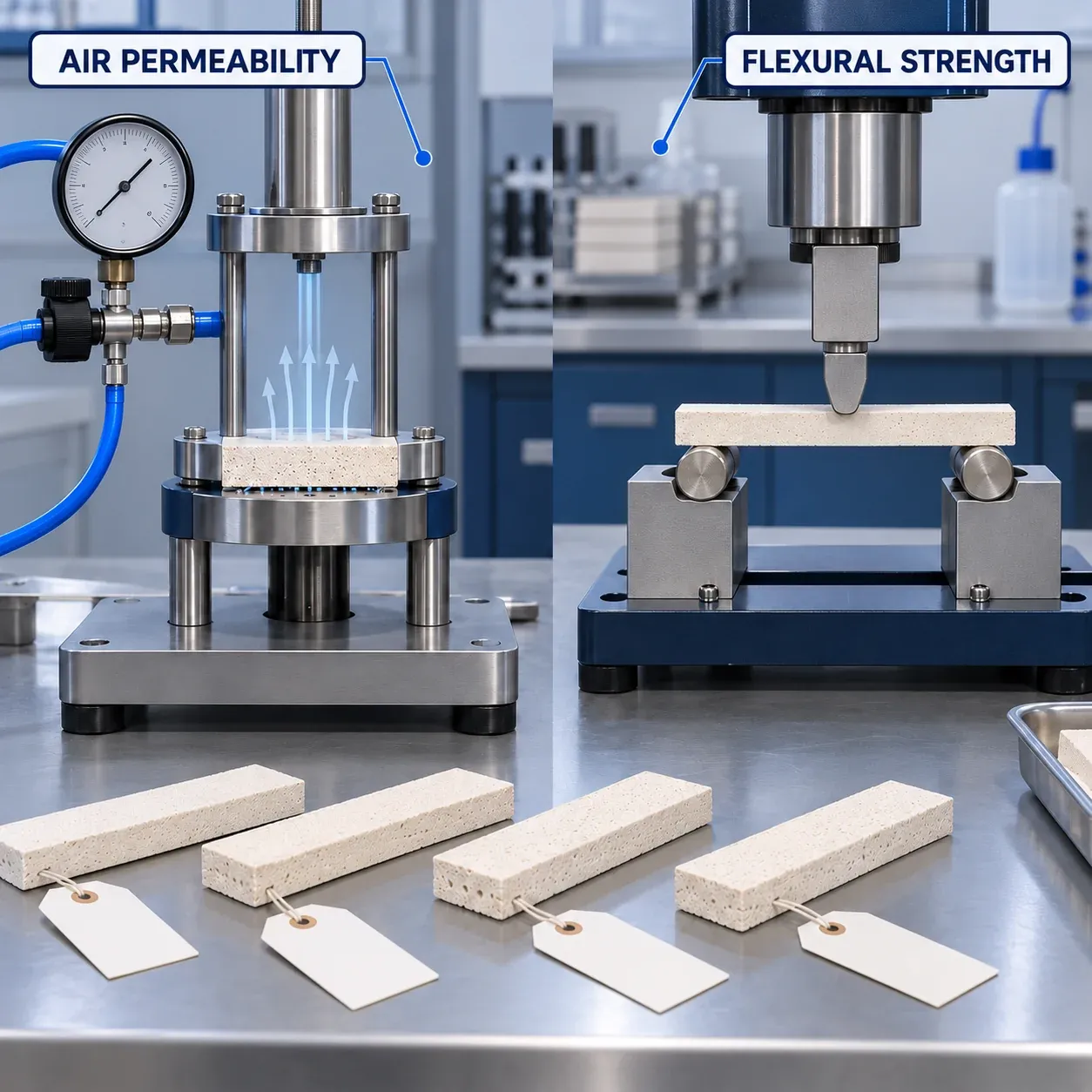
Build matched shells using the foundry’s normal layer sequence and drying practice. Keep handling and shell thickness comparable. Test green and fired permeability with the same specimen geometry, conditioning and method. Measure strength using the test that matches your acceptance criteria; do not compare flexural and compressive values as if they were interchangeable. Record replicate count, individual results and spread, as well as the firing schedule.
A recent study shows why recipe and test conditions belong beside every reported result. Kvon, Abildina and Kulikov evaluated an investment-casting shell made with fused quartz from Kazakhstan’s Aktas deposit. Read the 2026 study.
Those figures are not Changtong test data, product guarantees or universal targets. The study tested one source, recipe, layer sequence and casting case; its authors also noted that they did not quantify the shell’s open porosity or pore-size distribution. Use published results as context, then qualify each lot against the foundry’s own process and acceptance limits.
Change one factor and repeat
Start with the control and trial flour under the same process conditions. Repeat a comparison if it shows a difference. After the baseline comparison, vary one factor at a time—for example, slurry age or drying interval—while holding the powder and binder lots fixed. Use the foundry’s documented acceptance limits rather than another plant’s reported target.
Read the results as a process window
Compare each trial result with the control and your acceptance range. Look for linked changes: viscosity drift alongside pickup, drying defects alongside interval and humidity, or permeability alongside strength. A controlled trial can identify a candidate lot and a process window for production validation. It cannot prove alloy compatibility or guarantee crack-free shells.
Frequently asked questions
What should a shell slurry trial measure?
Record powder lot and particle-size method, binder and slurry age, temperature, viscosity and density, coating pickup, drying conditions, crack observations, and green/fired permeability and strength using consistent methods.
Does one viscosity result predict shell permeability?
No. Viscosity describes slurry flow under a defined method; permeability is measured on the formed shell. Record and evaluate both under controlled, repeatable conditions.
Can the published fused-quartz shell results be used as a supplier guarantee?
No. The 2026 paper reports results for one fused-quartz source, recipe and casting case. Its values are reference context and do not establish performance for Changtong material or another foundry’s system.
Conclusion
A useful fused silica shell-slurry qualification trial connects powder identity and slurry aging with coating, drying and shell-test records. Compare a trial lot with a control, repeat the measurements, and use the foundry’s acceptance criteria to decide whether it merits production validation.
Planning a fused silica flour trial? Share your target application and evaluation needs to discuss product information and a practical qualification plan.
References and evidence boundary
Source note: The trial sequence above is a proposed foundry evaluation method, not a claim about Changtong product performance. The cited study’s measurements apply only to the material, recipe, specimen preparation and casting conditions it reports.