Quartz-Filled Polyurethane: Trace Moisture and Trapped Air
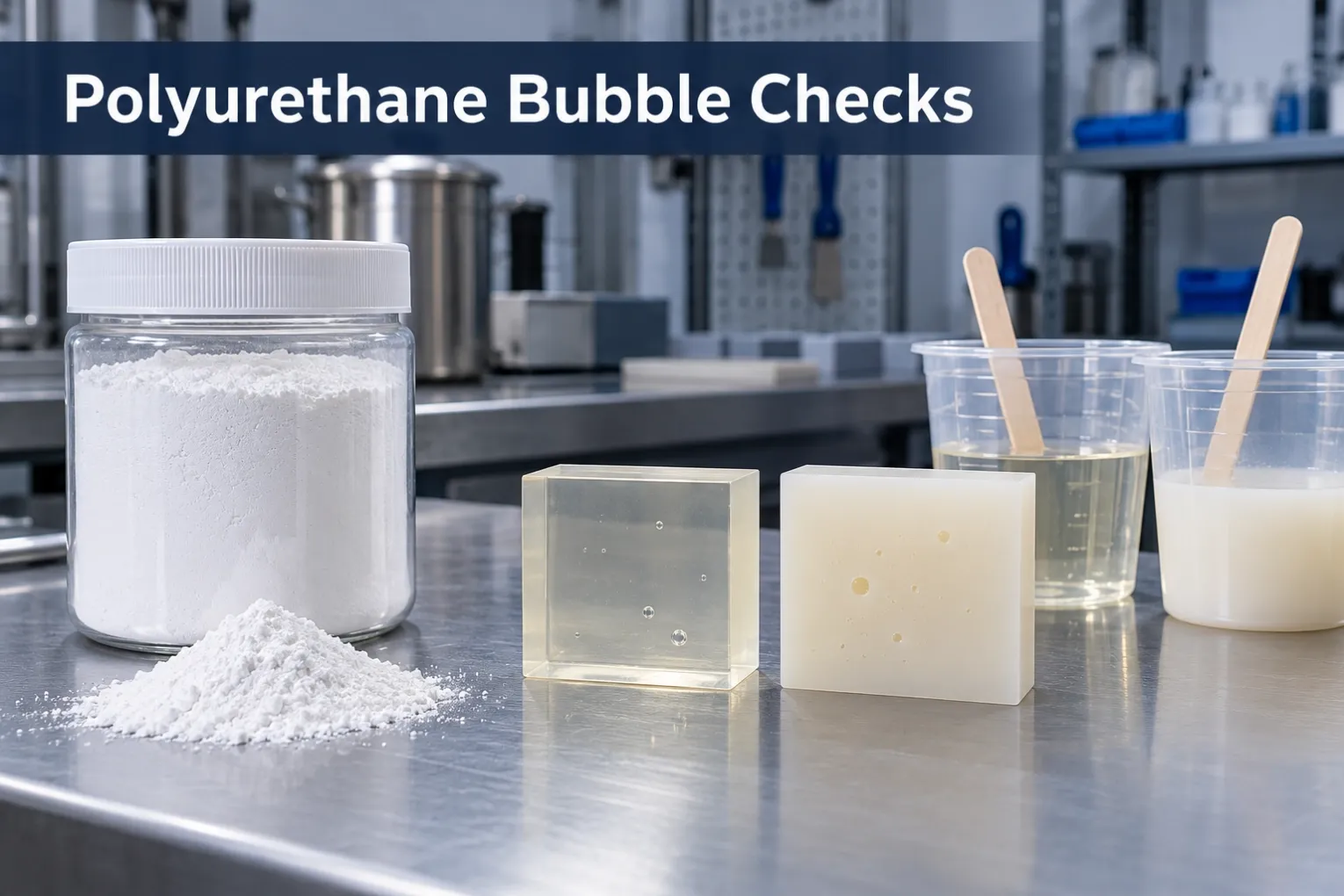
Trace bubbles in quartz-filled polyurethane by separating water-related gas from mixing air. Check sampling, treatment compatibility and controlled casting trials.
Technical Knowledge
Read practical guidance on silica material selection, particle size, manufacturing, quality documentation and industrial applications.

Trace bubbles in quartz-filled polyurethane by separating water-related gas from mixing air. Check sampling, treatment compatibility and controlled casting trials.

Evaluate cristobalite-filled silicone seals with controlled compression, cure history and recovery measurements. Hardness alone cannot qualify seal behavior.

Check silica-filled epoxy cure by separating filler dilution from reaction changes, then connect DSC evidence to the temperature history of the cast part.

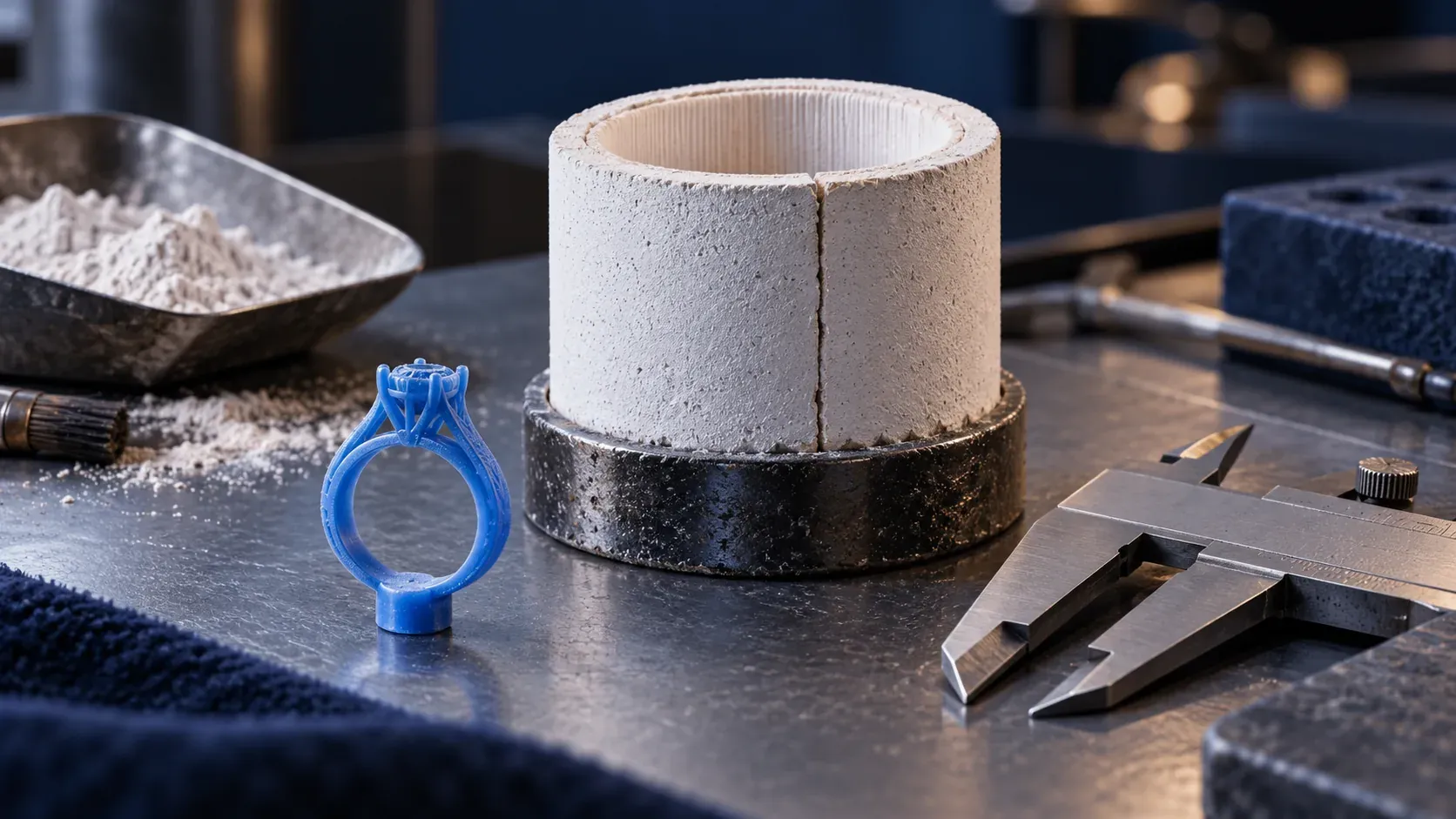
Casting-ring size, liner contact and orientation can change effective mold expansion. Use a controlled, axis-by-axis trial before adjusting a jewelry pattern.

Compare supplier dustiness reports for fused silica flour with a repeatable foundry handling trial, and keep product testing separate from workplace exposure monitoring.

Connect quartz sand grading and chemistry to the phases and properties measured after a defined glass-ceramic batch and heat treatment.

When a high SiO₂ assay still coincides with bubbles in fused quartz, qualify the sand with a defect-to-evidence chain that extends beyond bulk chemistry.

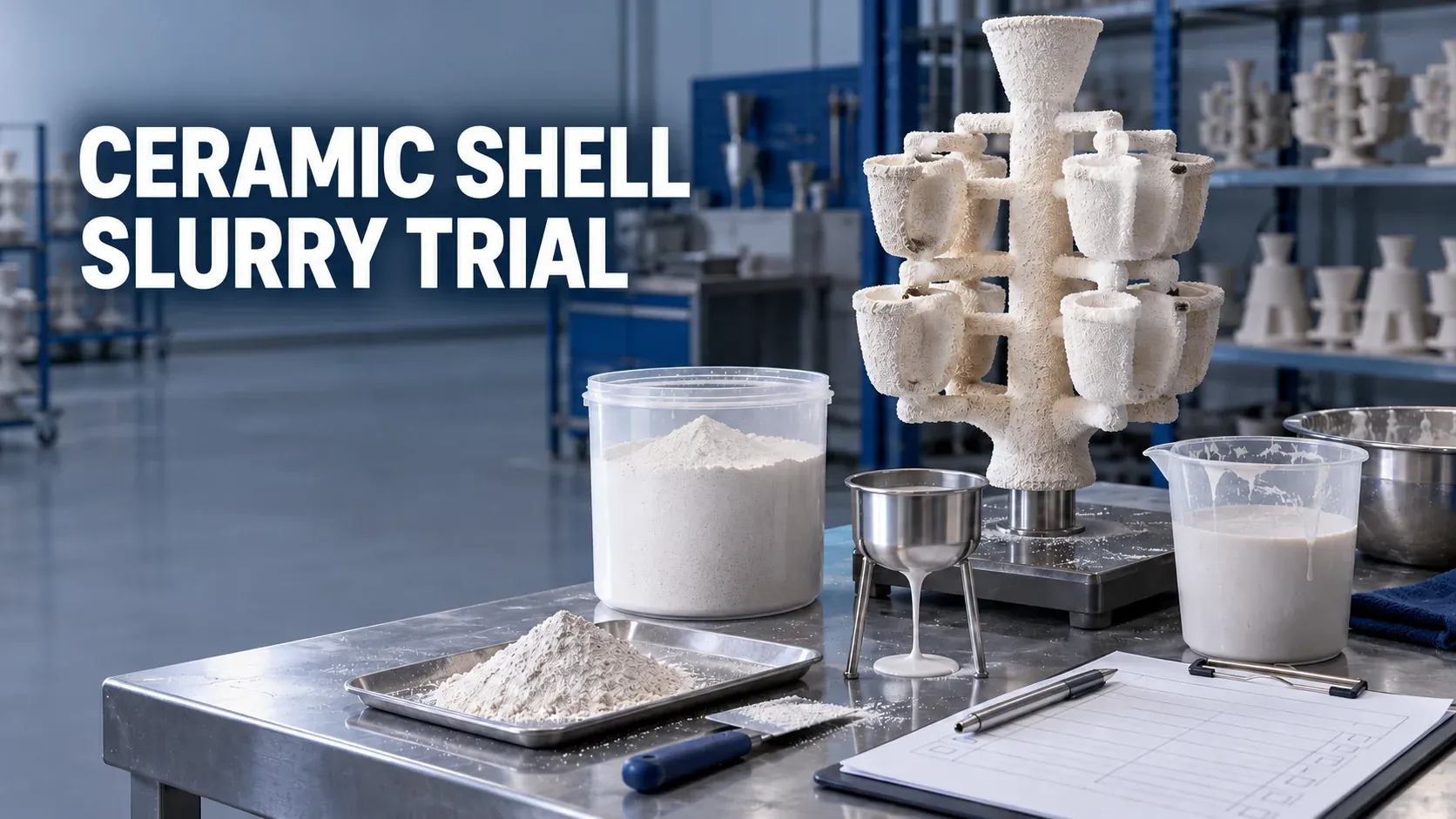
A controlled foundry trial method for evaluating fused silica flour in ceramic shell slurry by tracking viscosity, drying behavior, permeability and strength together.

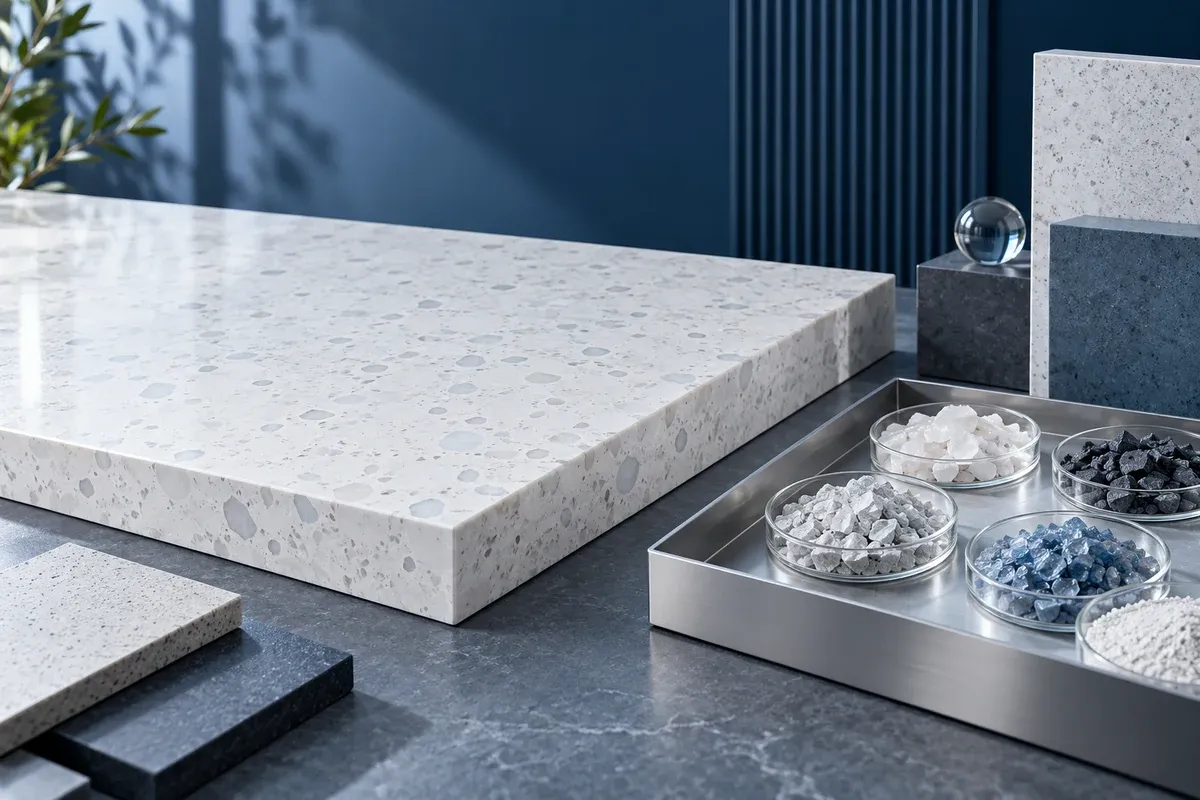
Compare filler trials for low-crystalline-silica slab development by total cost per accepted area, while keeping phase evidence and slab qualification as separate gates.

Read flexural strength, impact, absorption, density, Mohs hardness and deep abrasion as separate results when qualifying a glass-filled slab trial.

Use historical L*a*b* readings and visible-contamination counts to qualify white slab aggregates. Keep colour references separate and request the count denominator.

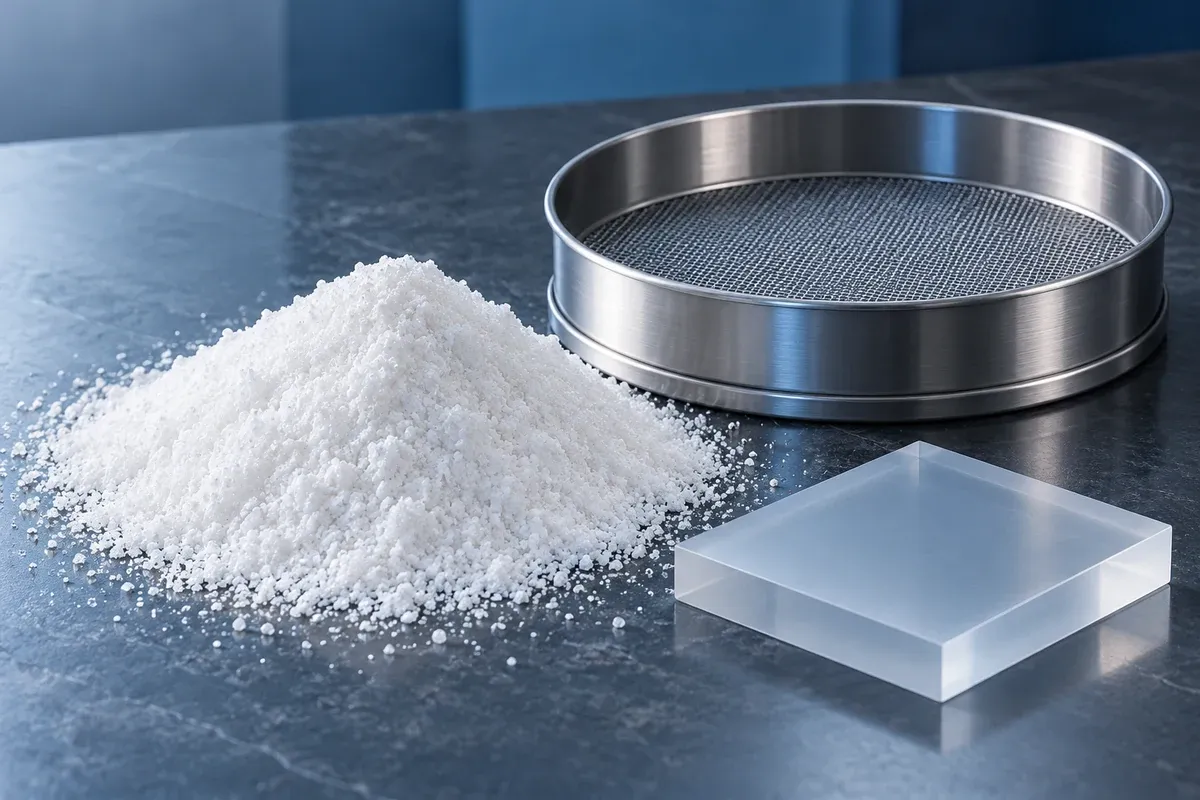
One historical fused-glass powder sample recorded 14.50% residue above 45 μm. Learn how to turn that result into a buyer-specific sieve specification and controlled slab trial.
Related Silica Products
Review representative fused silica, cristobalite and crystalline silica products alongside the technical guidance for each material and application.

Amorphous glass powder filler for zero-crystalline-silica building-panel development. Specify sieve residue, color and moisture for your resin formulation; confirm phase content in the final slab.

Amorphous glass sand aggregate for low-crystalline-silica slab development. Compare fine and mid-size cuts for grain pattern, grading and resin wet-out; agree application-specific acceptance limits.

Amorphous fused silica powder for reformulating engineered stone toward low or zero crystalline silica. Historical qualitative XRD supports phase identification; qualify current lots and slabs.