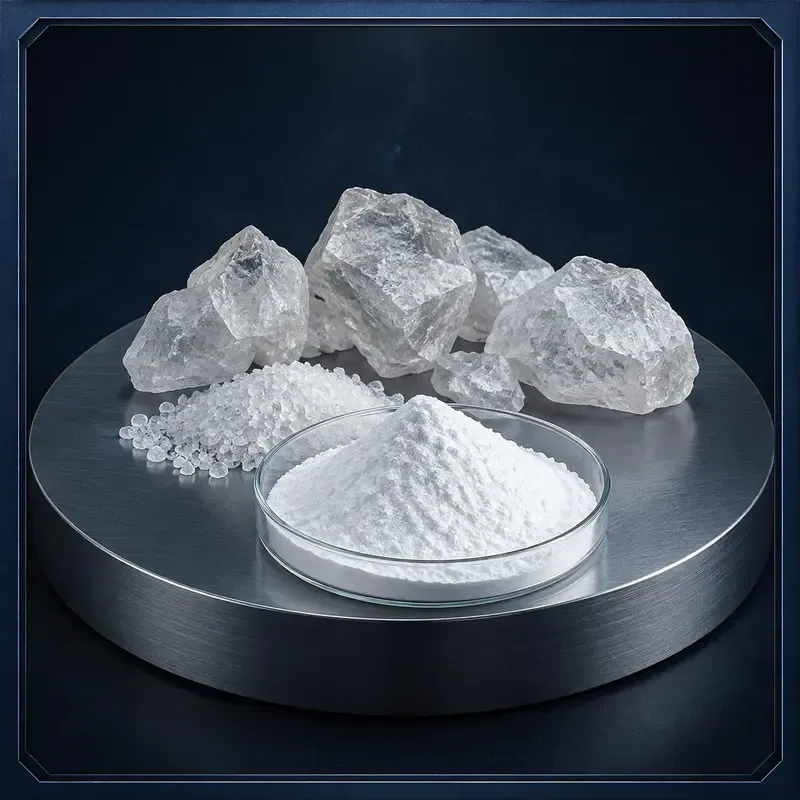
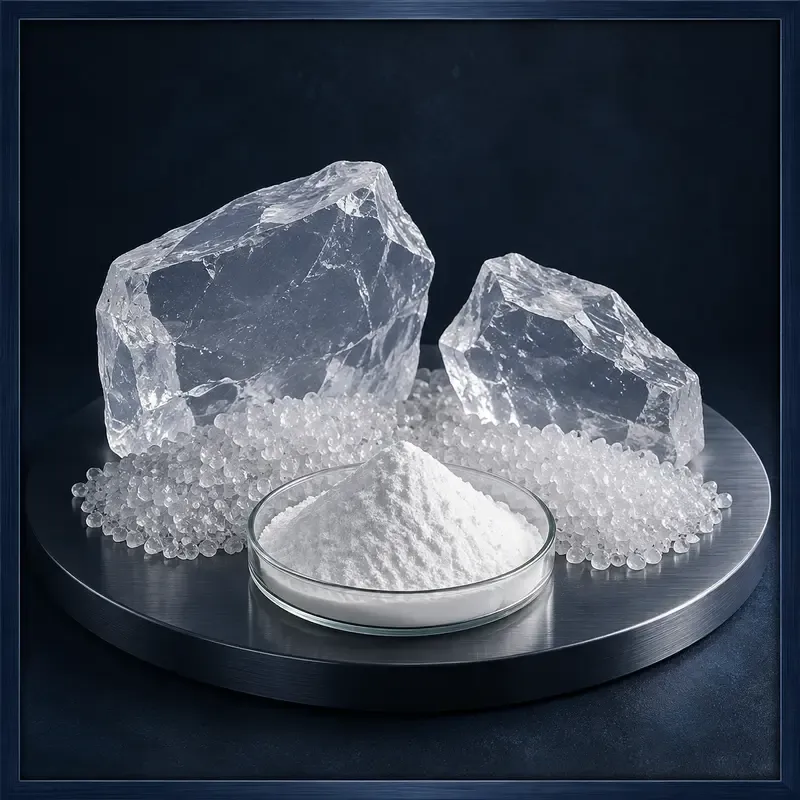
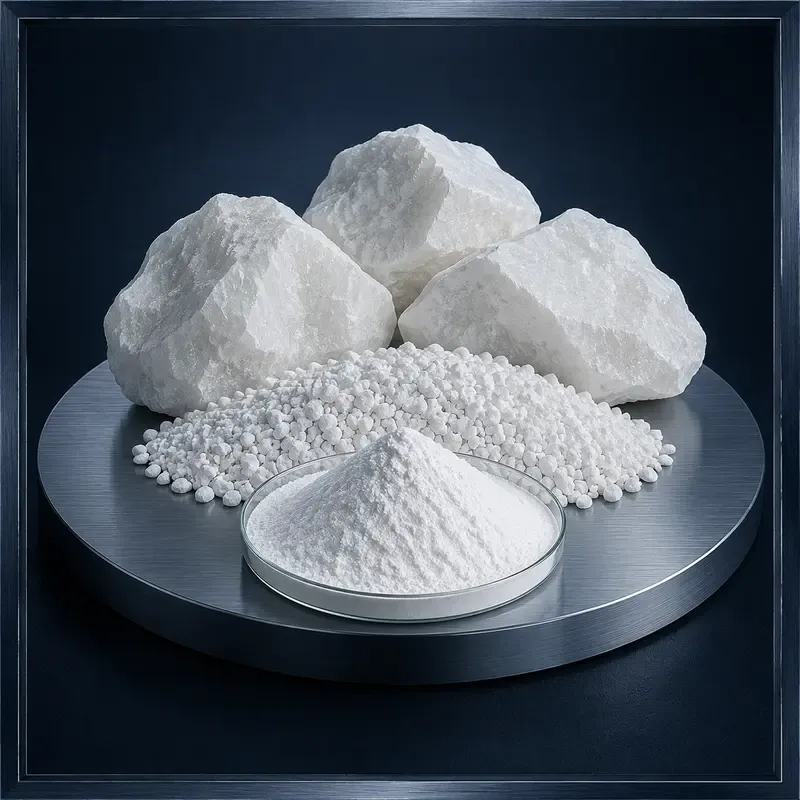
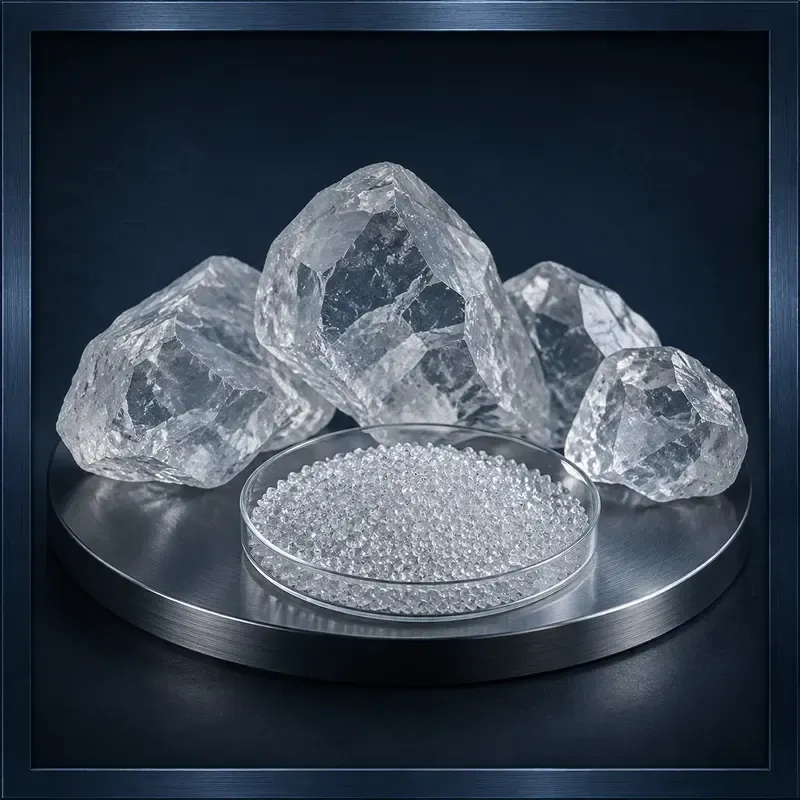
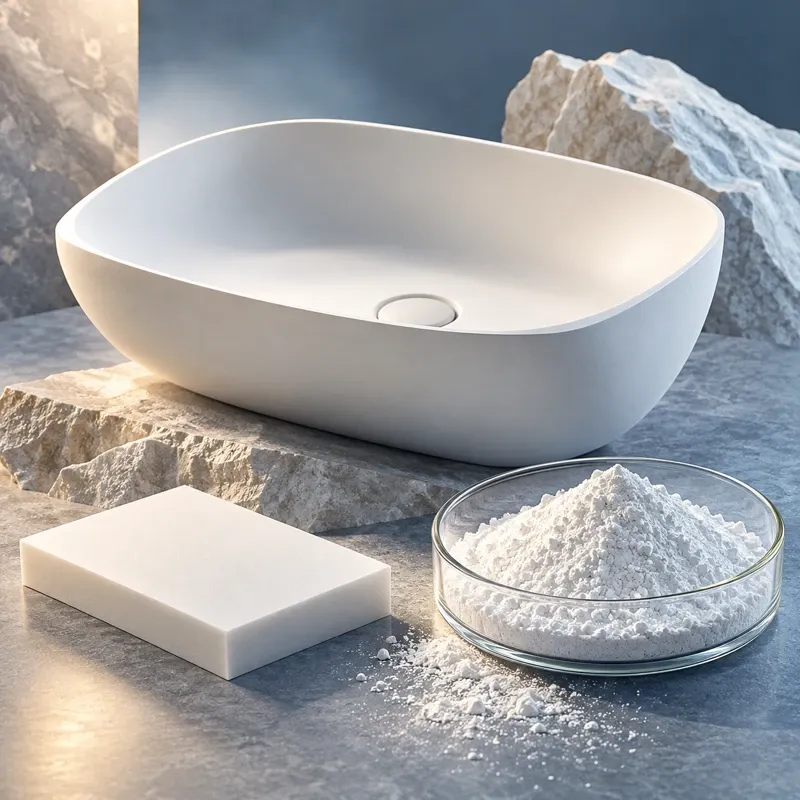
Cristobalite Powder for Acrylic Mineral-Cast Sanitaryware
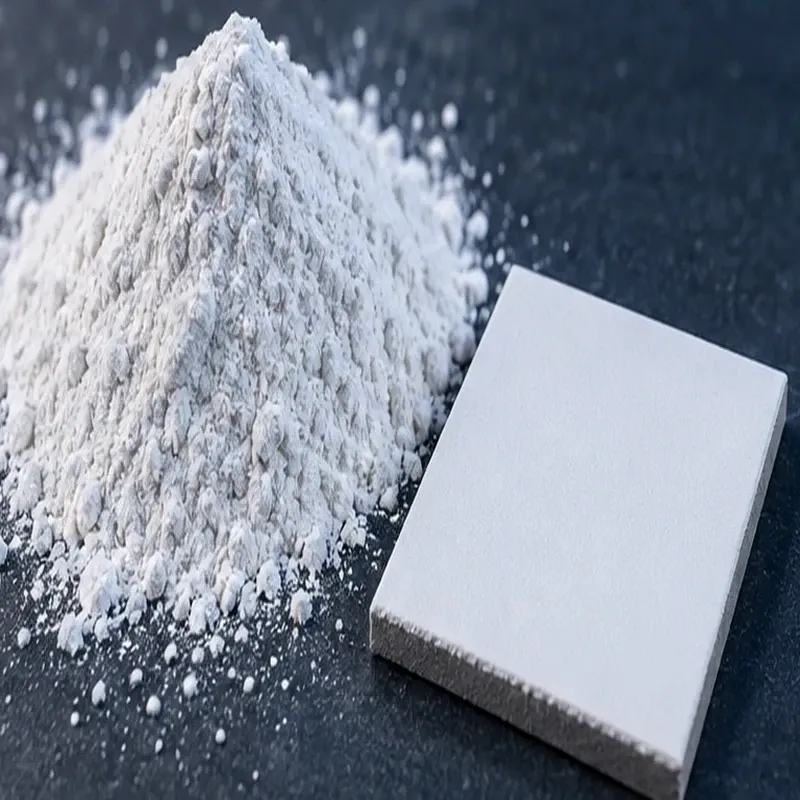
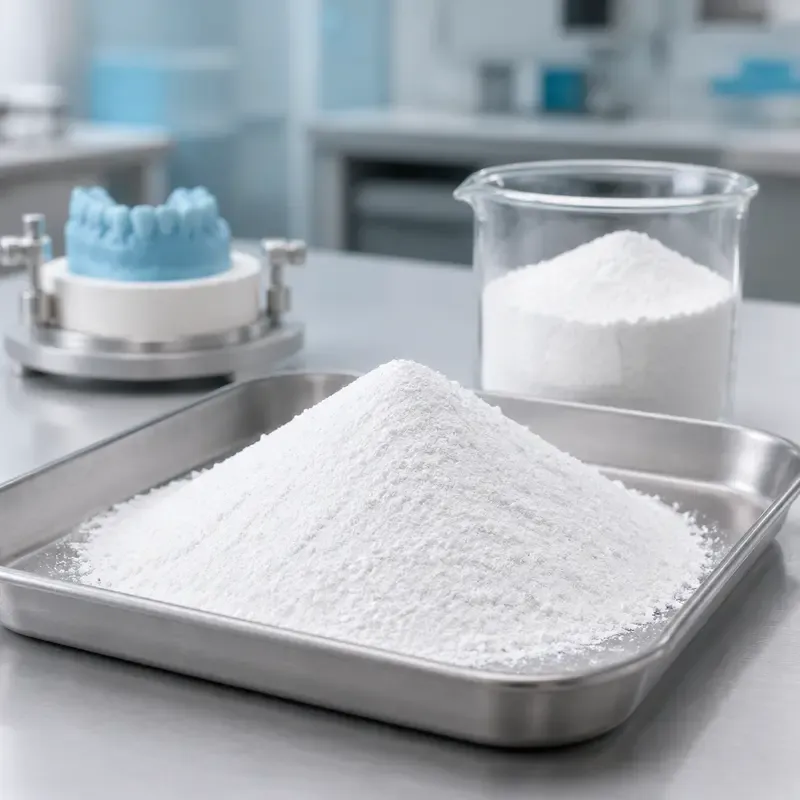
Cristobalite powder candidate for acrylic mineral-cast sink and basin trials. Confirm lot phase, PSD and treatment, then qualify flow and surface properties in the complete part.
Silica Material Portfolio
Compare crystalline silica powder, fused silica powder and sand, cristobalite, ultrafine silica and surface-treated silica for industrial applications.
PRODUCT FAMILIES
Start with the material family that matches your process, then compare grades, particle sizes, properties and applications.

Crystalline silica powders for coatings, silicone rubber and electronic packaging.

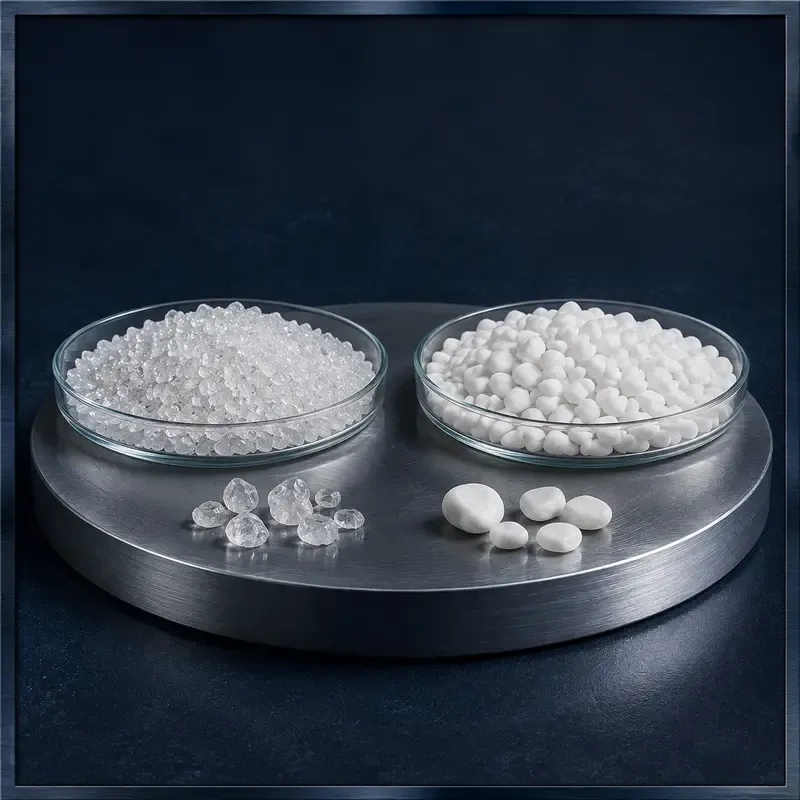
Low-expansion fused silica powders, sand and granules for casting, refractory and ceramics.

High-whiteness cristobalite flour, powder and sand for casting, coatings and engineered compounds.

Clean quartz raw material and refined particles for purity-sensitive industrial applications.

Refined translucent and porcelain-white quartz sand grades for casting, ceramics and refractory uses.

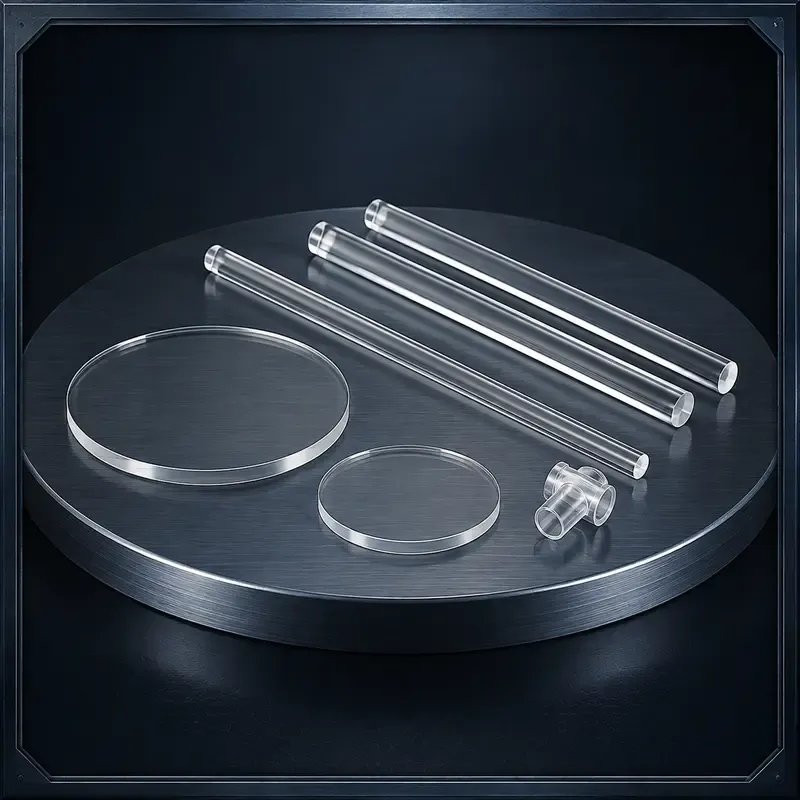
Precision quartz rods, plates and engineered quartz components for technical applications.

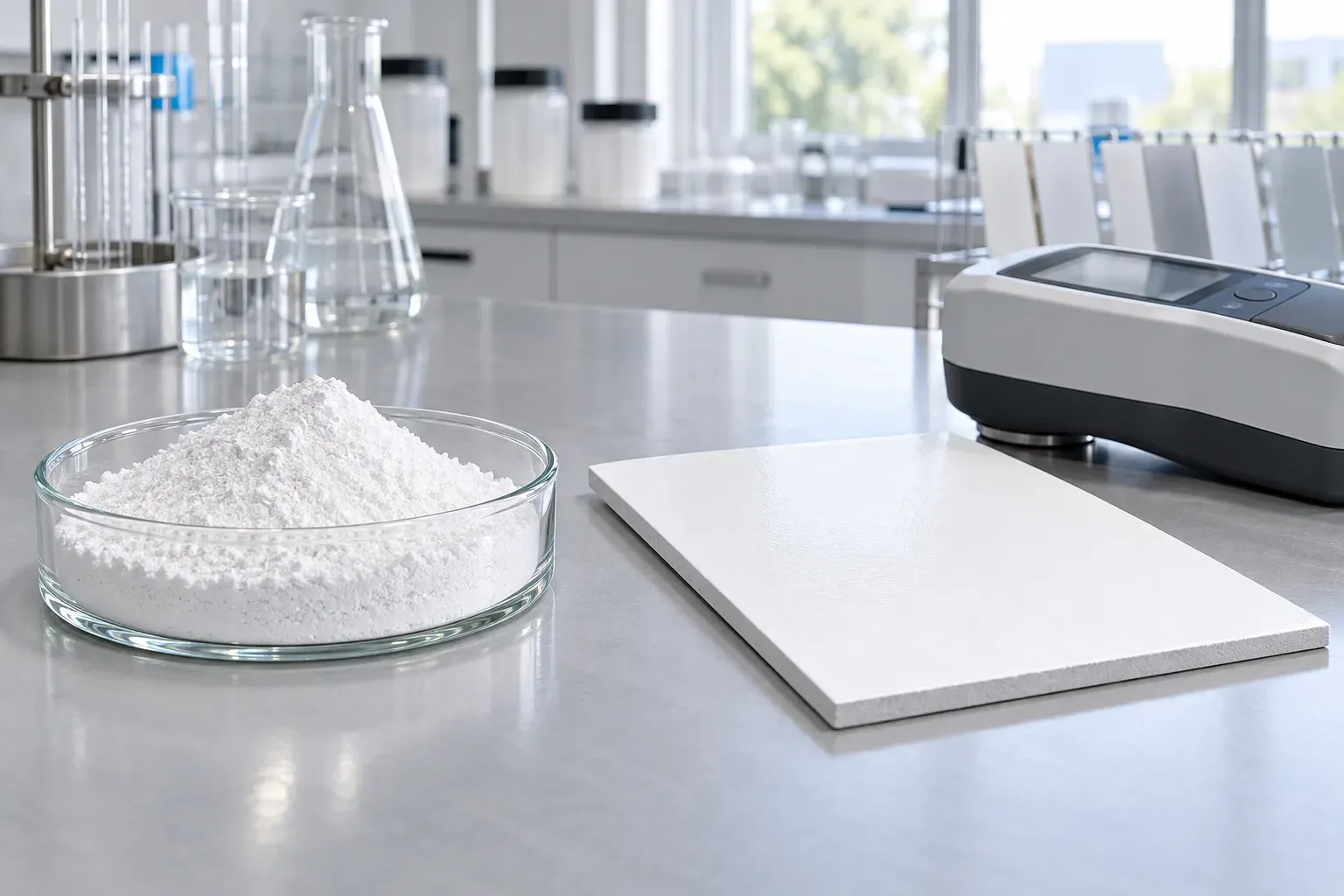
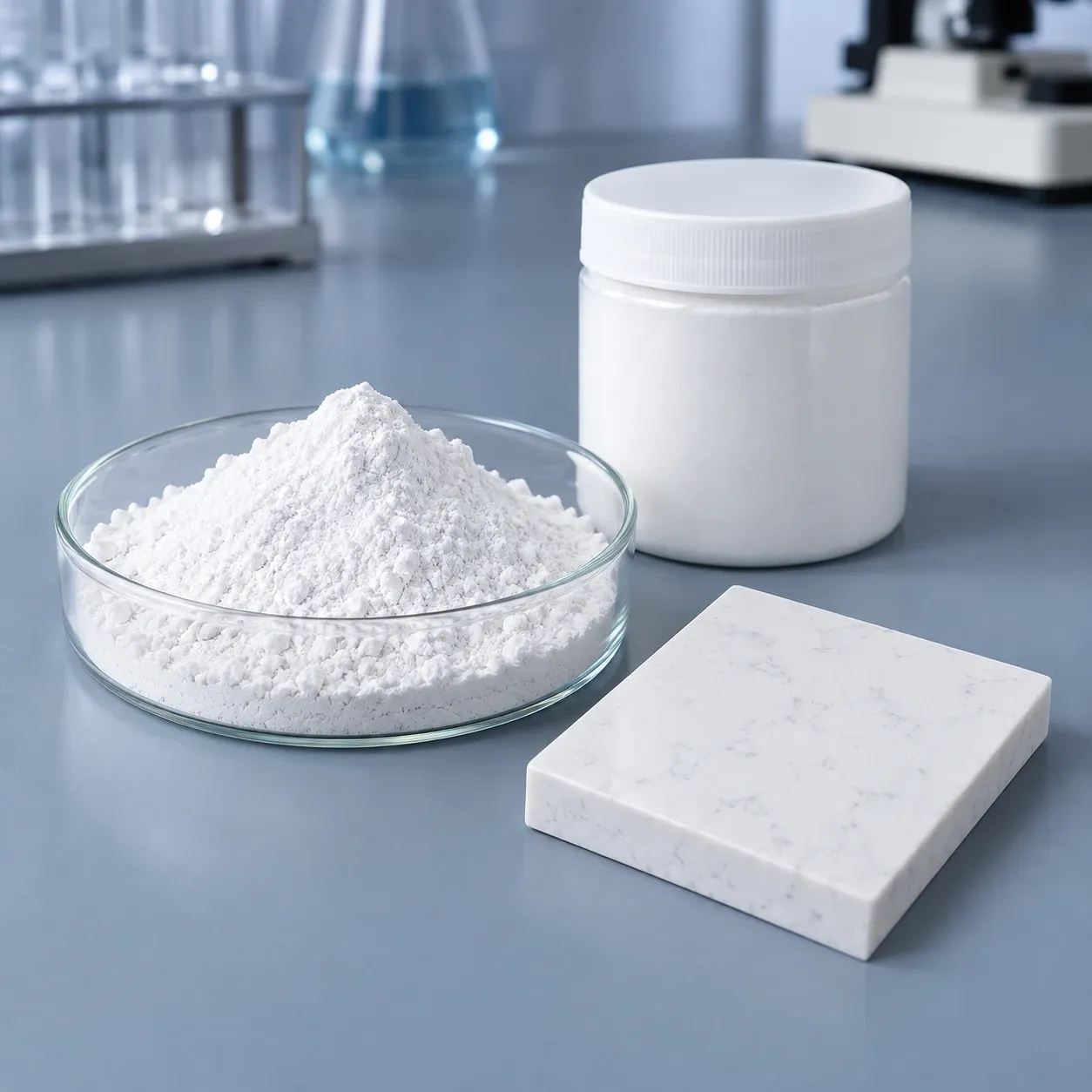
Cristobalite powder candidate for acrylic mineral-cast sink and basin trials. Confirm lot phase, PSD and treatment, then qualify flow and surface properties in the complete part.

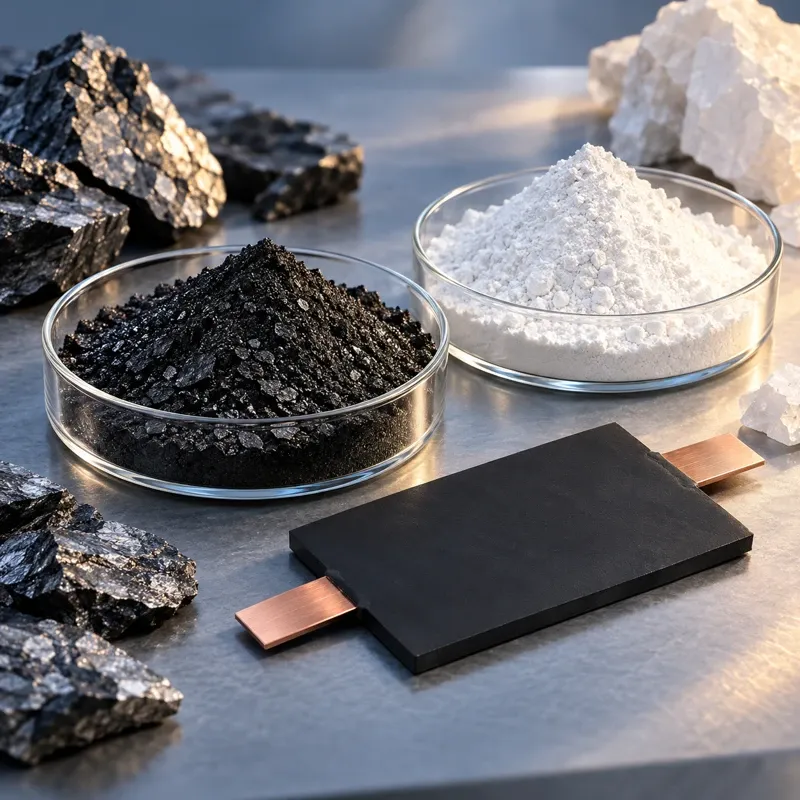
Cristobalite powder candidate for graphite–silicone PTC research. Verify phase and lot PSD, then measure resistance and repeatability in the buyer's complete compounded coupon.

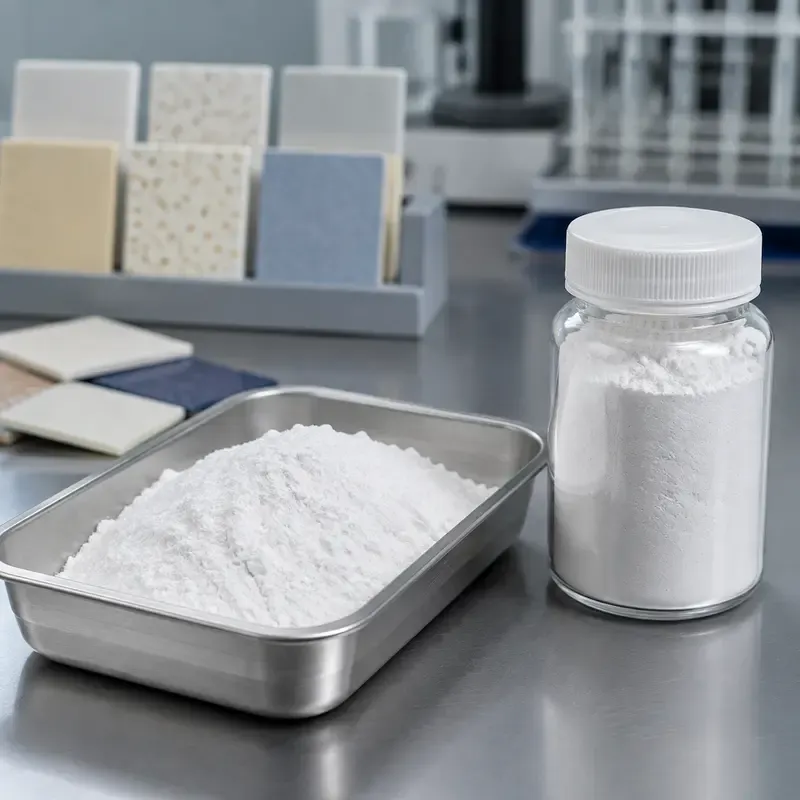
High-whiteness cristobalite filler for engineered quartz slabs, supplied in controlled mesh grades with low moisture and application-focused quality documentation.

Cristobalite filler for radiant ceramic coating trials on thermal-process equipment, with a practical route to compare phase, PSD, coating rheology and thermal-cycle retention.

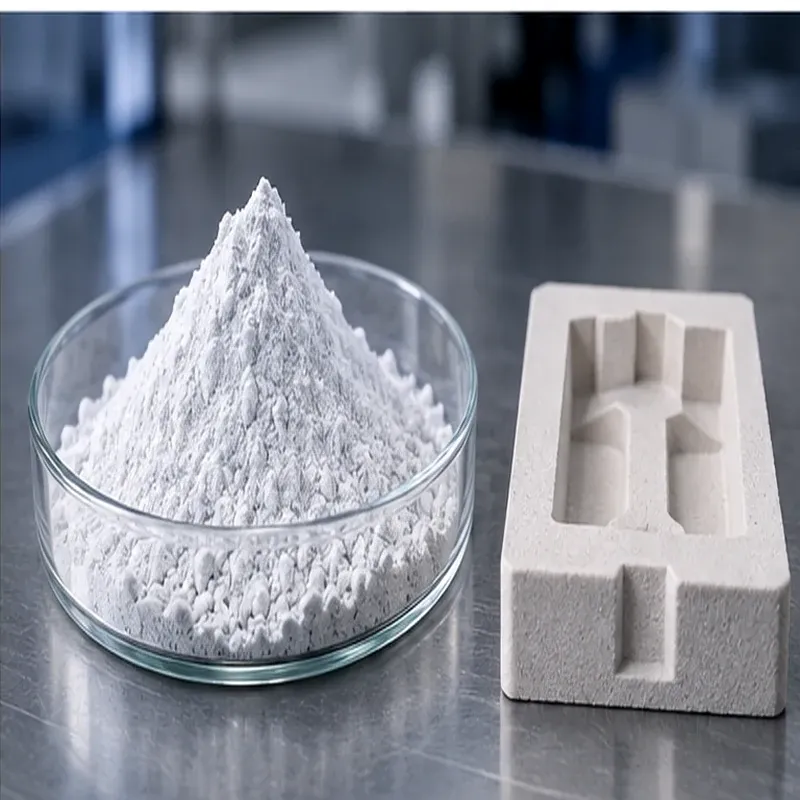
Controlled-phase cristobalite powder for digitally formed ceramic mold-wash trials, with phase, PSD and slurry-process data to guide shell and cast-surface evaluation.

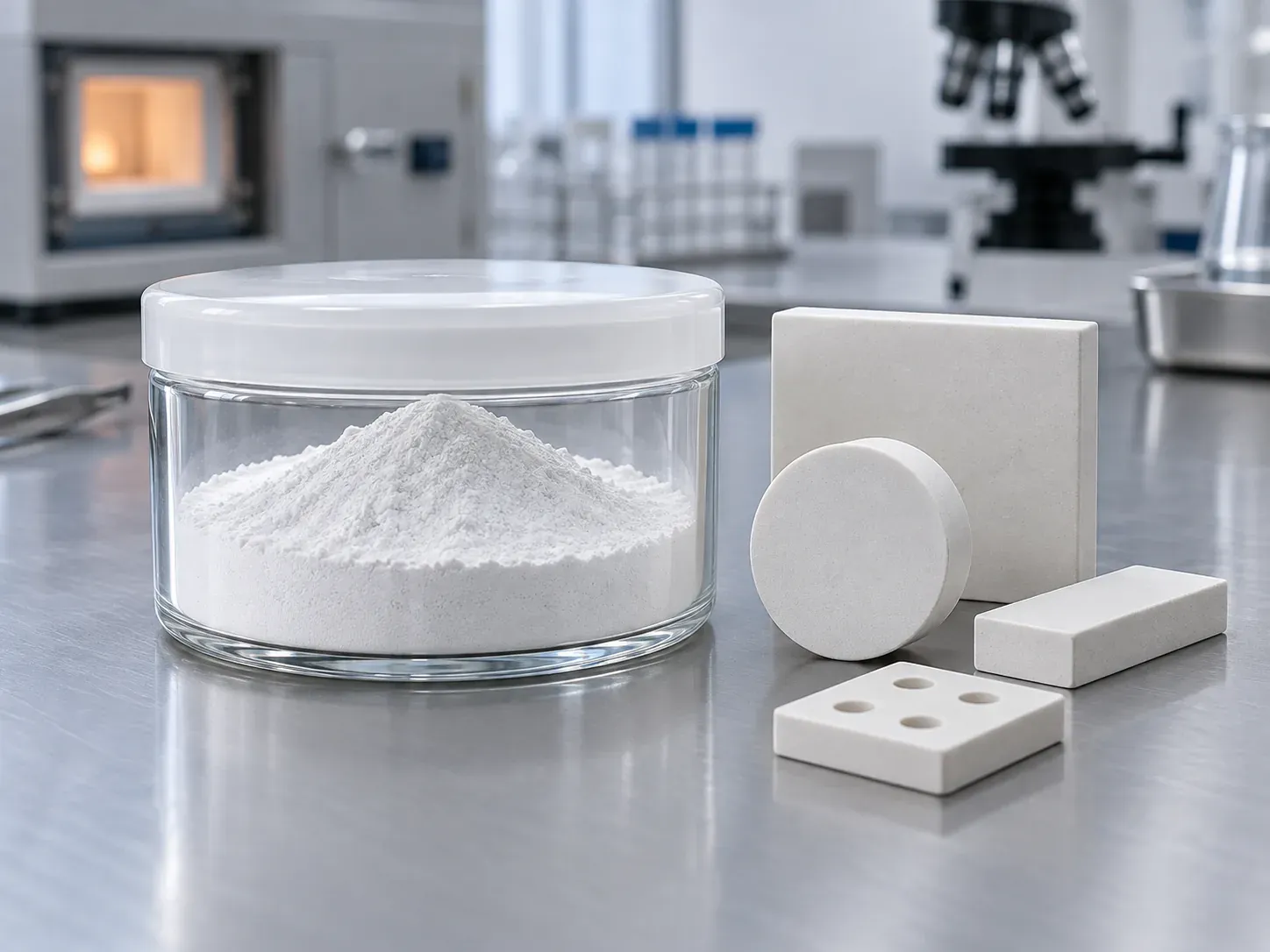
Controlled-phase cristobalite powder for technical ceramic formulation trials where phase identity, particle-size distribution and firing response must be reviewed together. Final fit depends on the ceramic matrix, forming route and customer firing schedule.

High-whiteness cristobalite powder for cool-roof and reflective architectural coating trials. M3000/M4000/M6000 reference grades provide D50 options of 12/5/3 μm; confirm dispersion, solar reflectance, thermal emittance, SRI and weathered retention in the finished coating.

M4000 calcined cristobalite powder for EV high-voltage silicone cable compound trials. A supplied batch reports D50 6.15 μm, SiO2 99.63%, Fe2O3 0.009%, moisture 0.1% and whiteness 94%; qualify dispersion, cure, electrical insulation and finished-cable performance in the customer’s formulation.

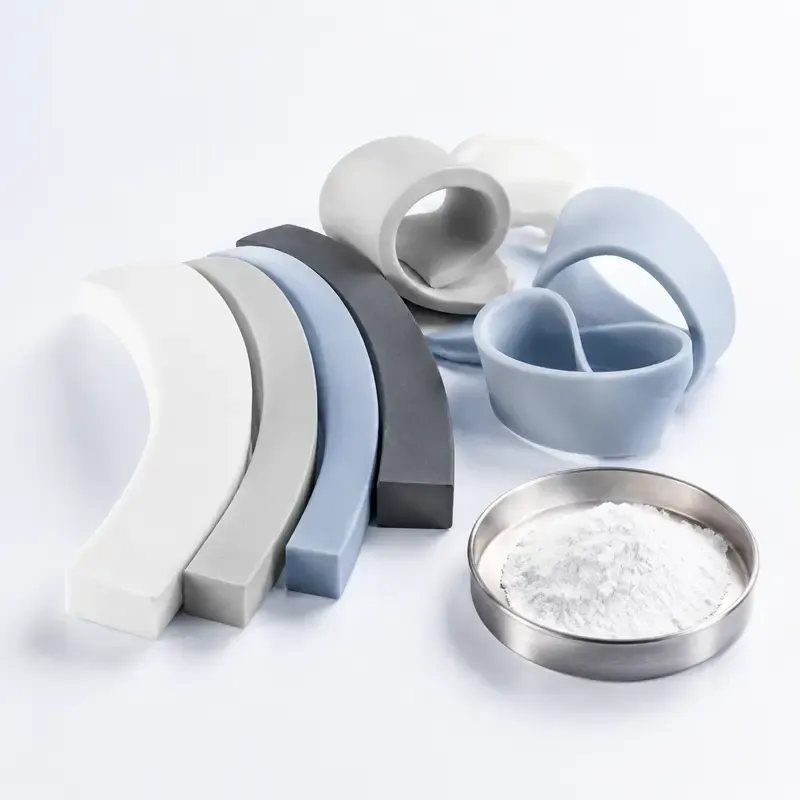
M4000 calcined cristobalite powder for silicone rubber and selected industrial rubber compounds. The supplied batch report records D50 6.15 μm, SiO2 99.63%, Fe2O3 0.009%, moisture 0.1% and whiteness 94%. Final loading and performance must be qualified in the customer's polymer, filler and cure system.

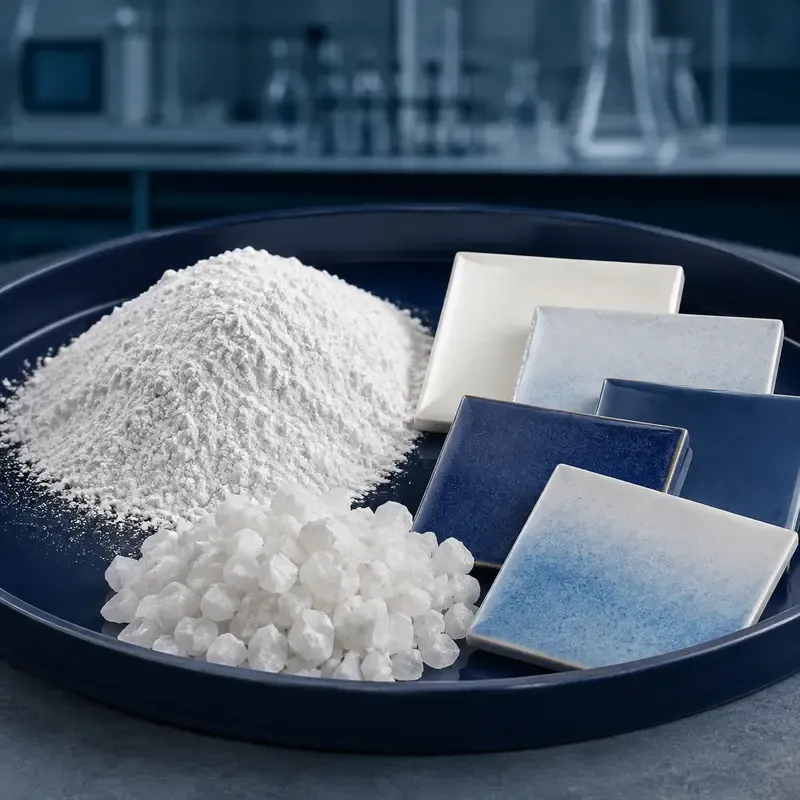
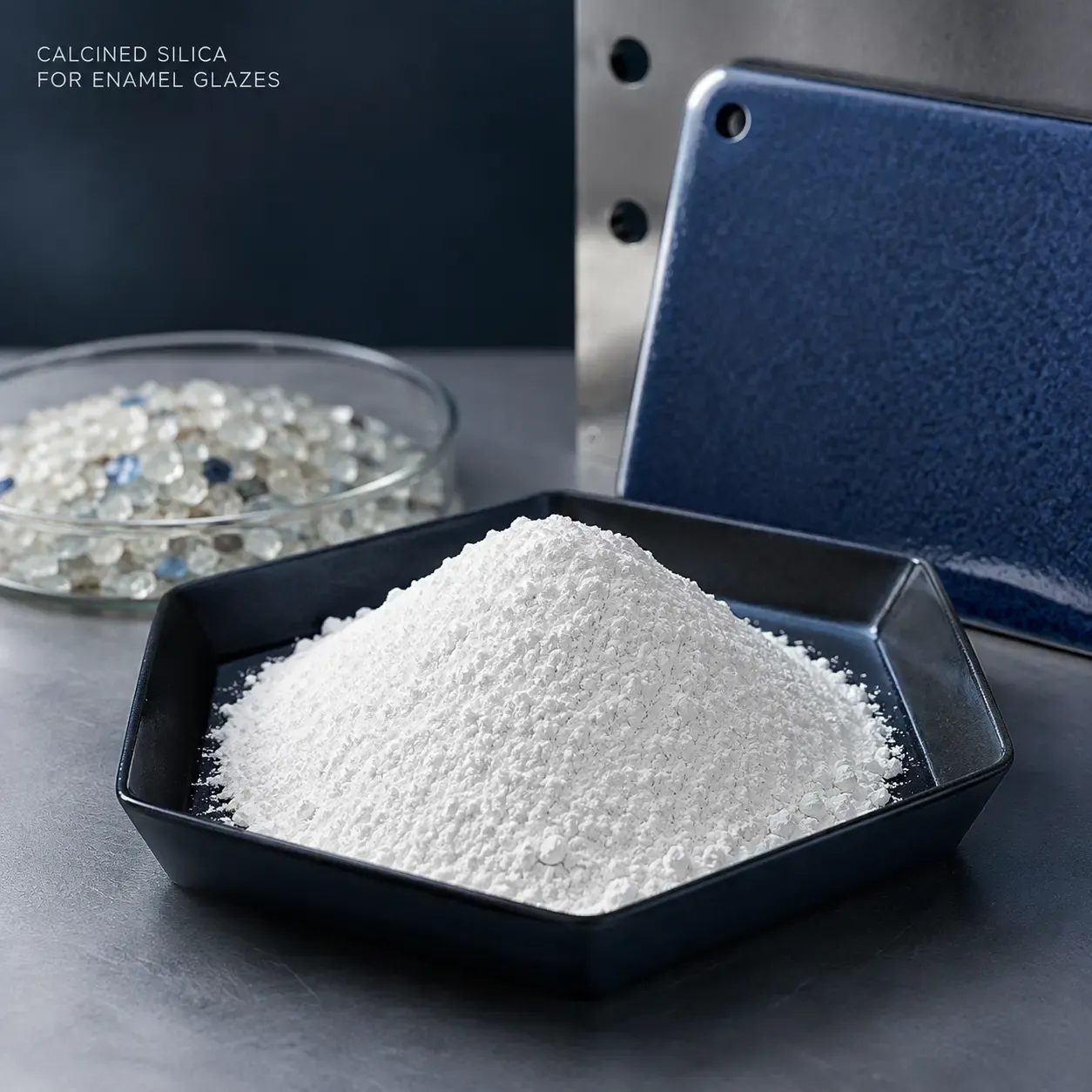
Cristobalite powder for enamel frit and ceramic glaze formulations, processed from selected natural quartz through controlled calcination, grinding, classification and sieving. Grade, phase evidence, particle-size distribution and chemistry should be confirmed against the customer’s frit, glaze and firing process.

Calcined quartz powder for enamel glaze systems on metal and glass. Customer-side comparison reports reviewed 200 and 325 mesh residue, SiO2, Fe2O3 and an 8% glaze addition trial; final grade selection must be confirmed against the frit, substrate and firing process.

Cristobalite powder for dental investment materials, produced from selected white quartz by calcination, grinding, filtration, drying and sieving. Review M3000–M6000 grades, whiteness 90–98 and the approved particle-size data for dental casting trials.
Technical Resources
Use practical guides to compare silica materials, convert mesh to microns and prepare clearer specifications for your application and RFQ.

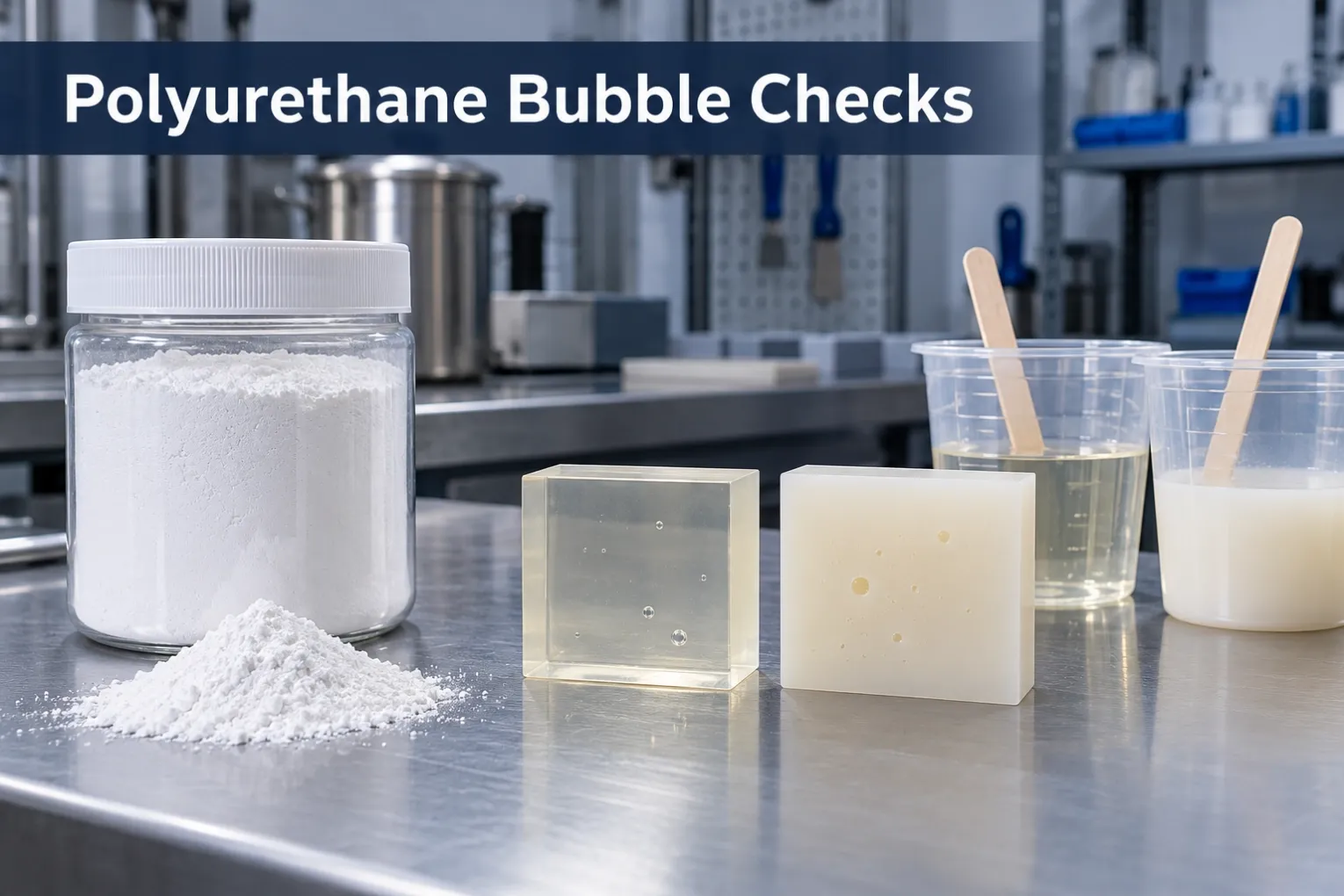
Trace bubbles in quartz-filled polyurethane by separating water-related gas from mixing air. Check sampling, treatment compatibility and controlled casting trials.

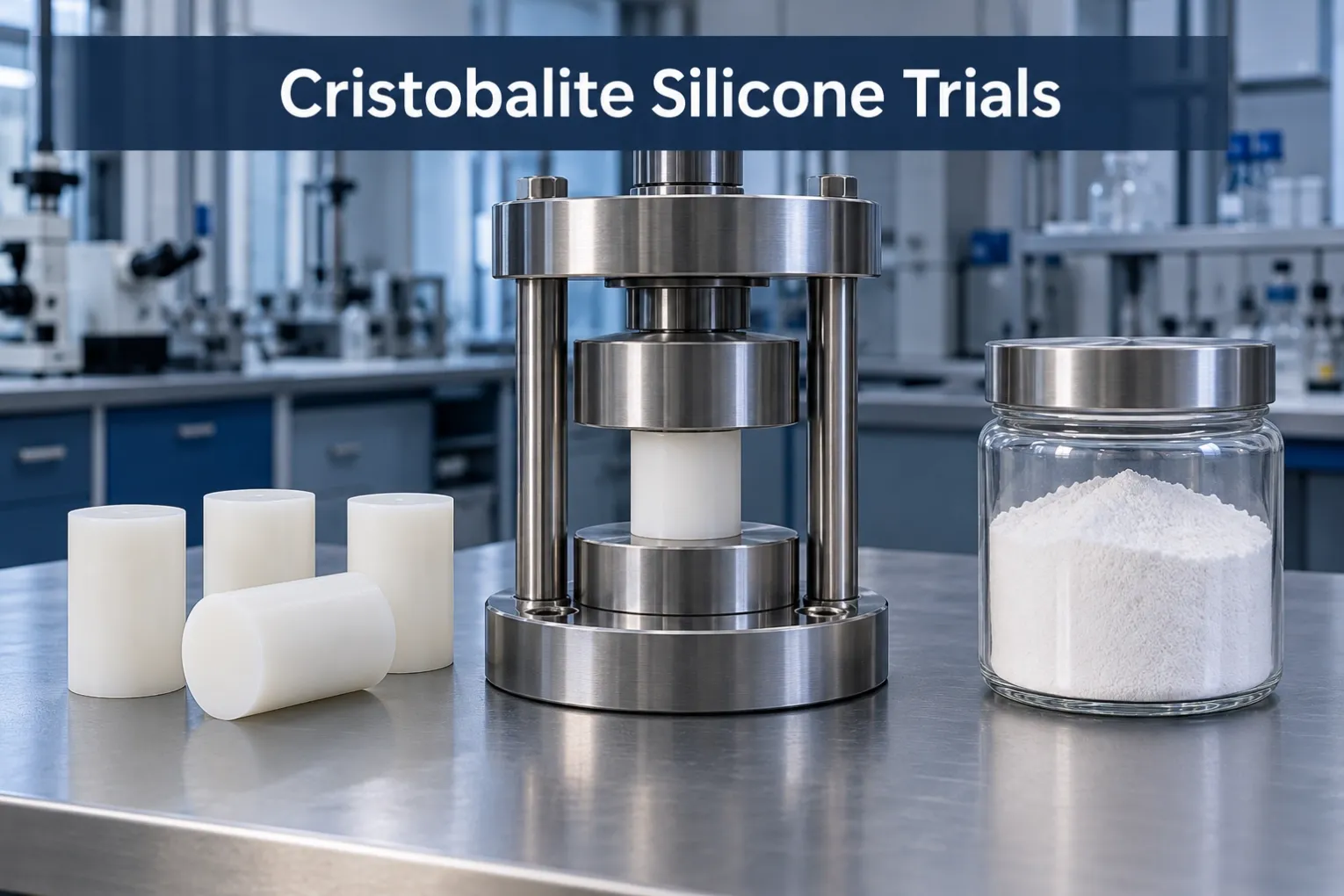
Evaluate cristobalite-filled silicone seals with controlled compression, cure history and recovery measurements. Hardness alone cannot qualify seal behavior.

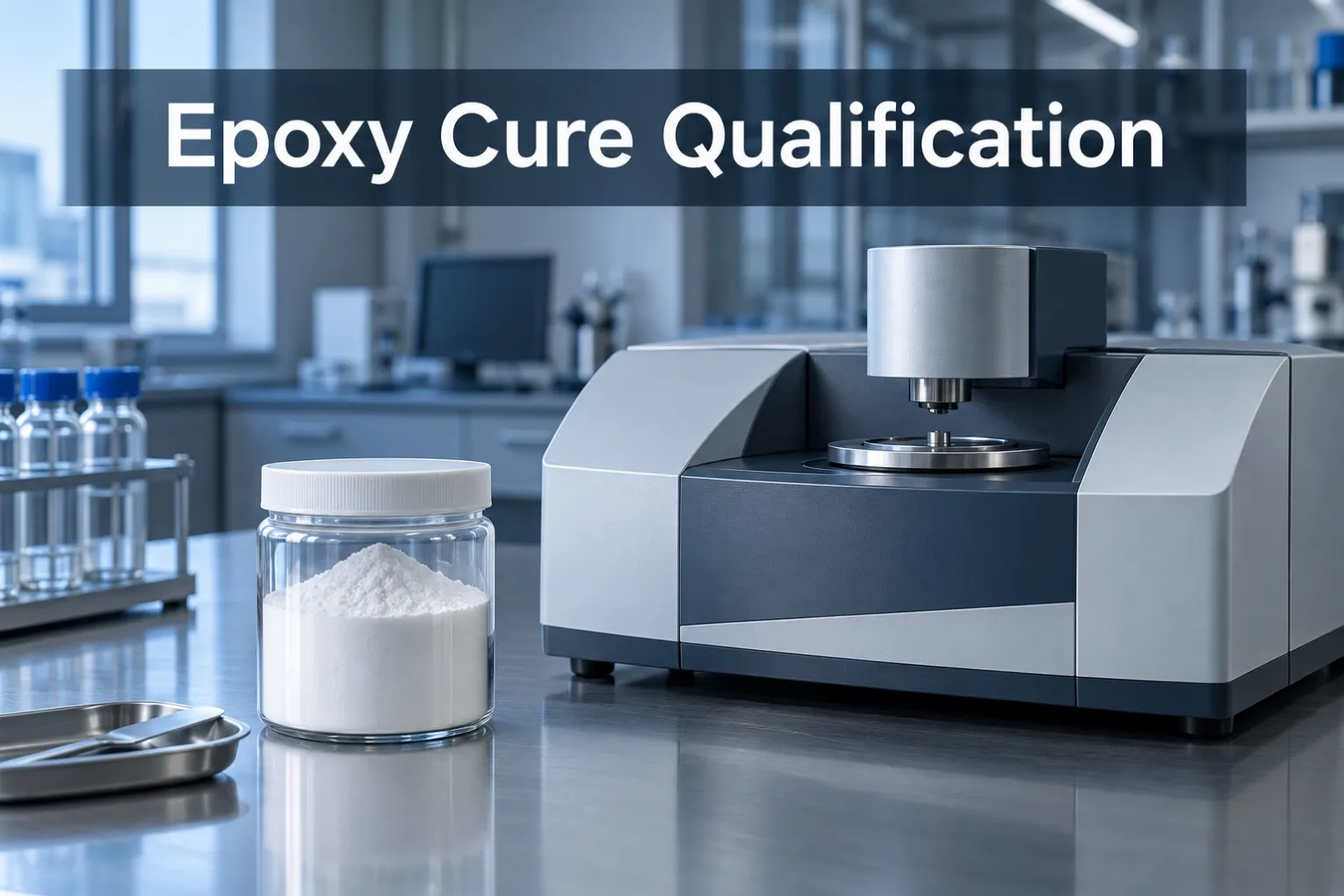
Check silica-filled epoxy cure by separating filler dilution from reaction changes, then connect DSC evidence to the temperature history of the cast part.