Hydrophobic Surface-Treated Silica for Polymer Masterbatch
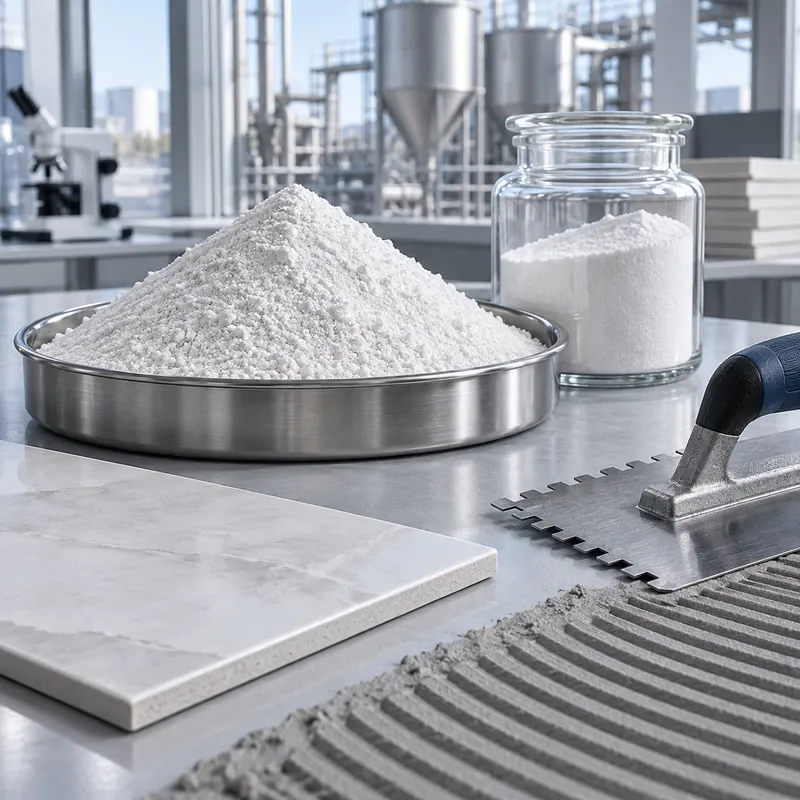
Active silica powder made from selected natural quartz through fine grinding, classification and hydrophobic surface activation. It is intended for polymer masterbatch, resin and specialty compound formulations where water repellency, low oil absorption, low viscosity build, high dispersion and resin compatibility are important. Final performance depends on the treatment level, resin polarity, loading and mixing conditions.
ACTIVE SILICA FROM NATURAL QUARTZ
Hydrophobic Surface-Treated Silica for Polymer Masterbatch
Active silica powder made from selected natural quartz through fine grinding, classification and controlled surface activation. The treated mineral surface is intended to reduce water wetting and support low oil absorption, low viscosity build, high dispersion and compatibility with selected resin systems.
Product Overview
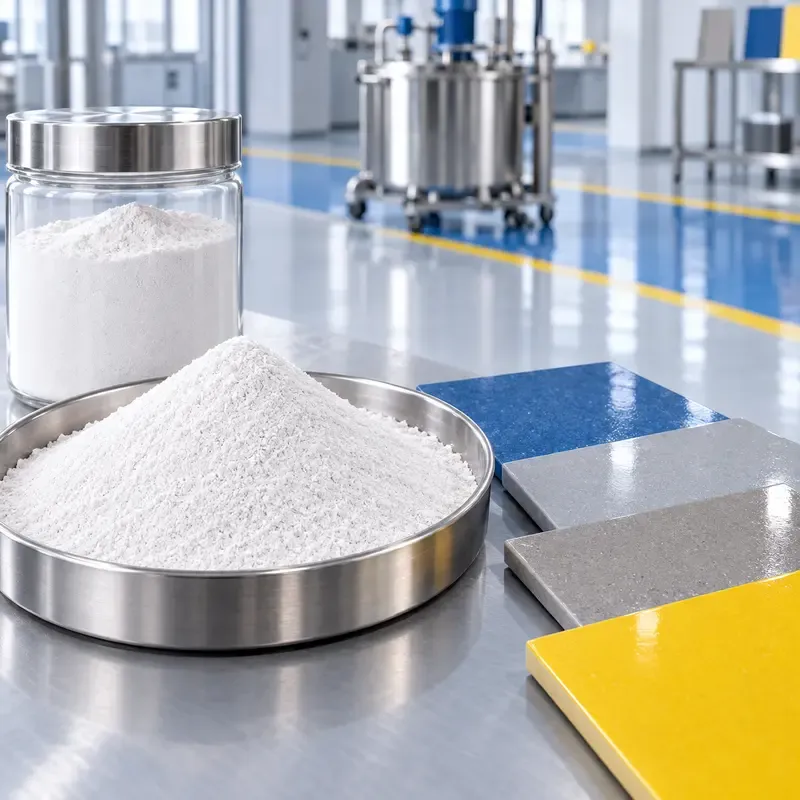
This active silica powder starts with selected natural quartz. Fine grinding and classification establish the requested mineral grade, followed by a controlled surface-activation step for hydrophobic behavior. The resulting powder is supplied for polymer masterbatch, resin, elastomer, coating, adhesive and specialty compound development.
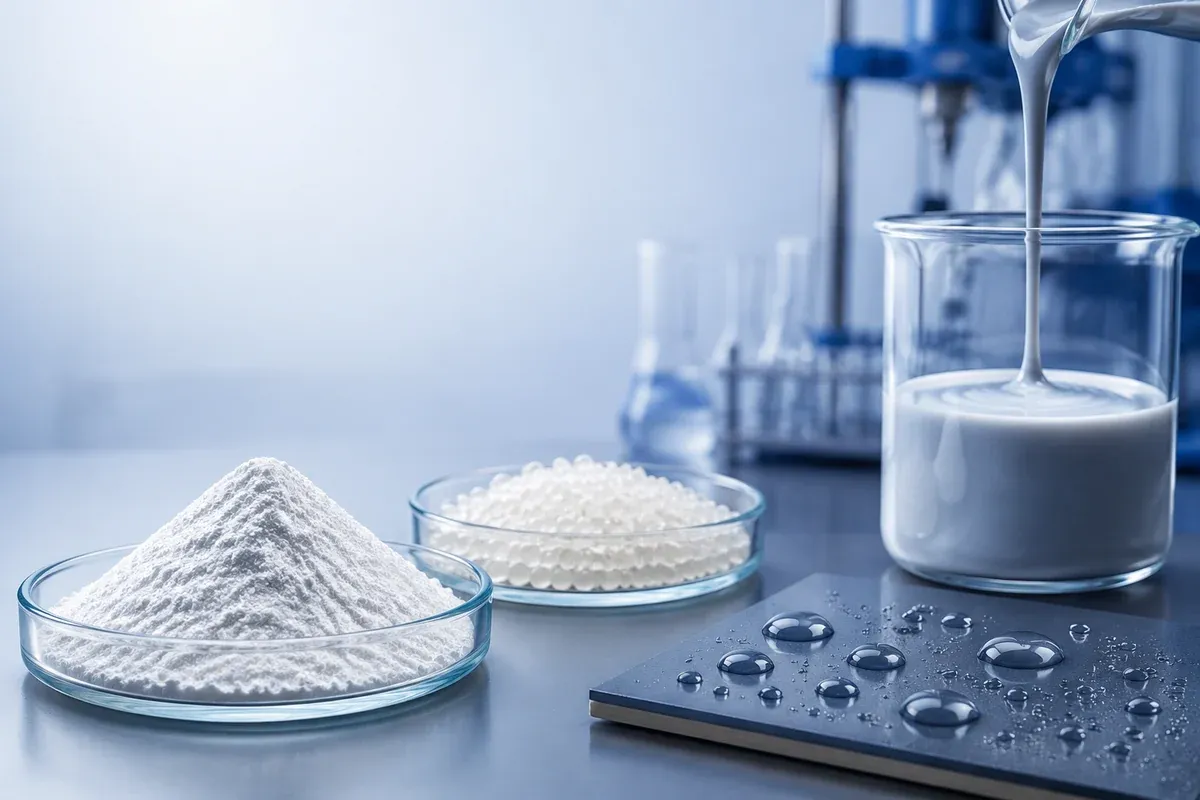
In a suitable formulation, the treated surface can help the powder wet into an organic resin, disperse with less agglomeration and build less viscosity than an untreated grade at the same loading. The result depends on the resin polarity, treatment chemistry, moisture, filler loading, mixing energy and cure or compounding conditions.
Technical Properties
| Property | Typical Working Specification | Order Note |
|---|---|---|
| Raw material | Selected natural quartz | Mineral source and chemistry confirmed against the approved grade |
| Processing route | Fine grinding, classification and surface activation | Not a precipitated or gas-phase silica product |
| Particle-size options | 325–1250 mesh; final grade selected by application | Final PSD, top-cut or residue method to be agreed |
| Nominal particle size (μm) | Approximately 45–10 μm across the listed mesh options | Screen opening is not a complete PSD |
| SiO₂ | 99.3–99.7% on the agreed untreated-mineral basis | Treatment-adjusted result reported on the batch certificate |
| Surface treatment | Hydrophobic active treatment | Chemistry and dosage confirmed for the resin system |
| Hydrophobicity | Water-repellent, reduced-wetting behavior | Contact-angle or methanol-titration target agreed per grade |
| Oil absorption | Low oil absorption grade available | Report by the agreed oil-absorption method |
| Moisture | ≤0.20% working limit | Keep sealed and dry after delivery |
| Appearance | Fine, free-flowing white active silica powder | Confirm whiteness requirement for appearance-critical compounds |
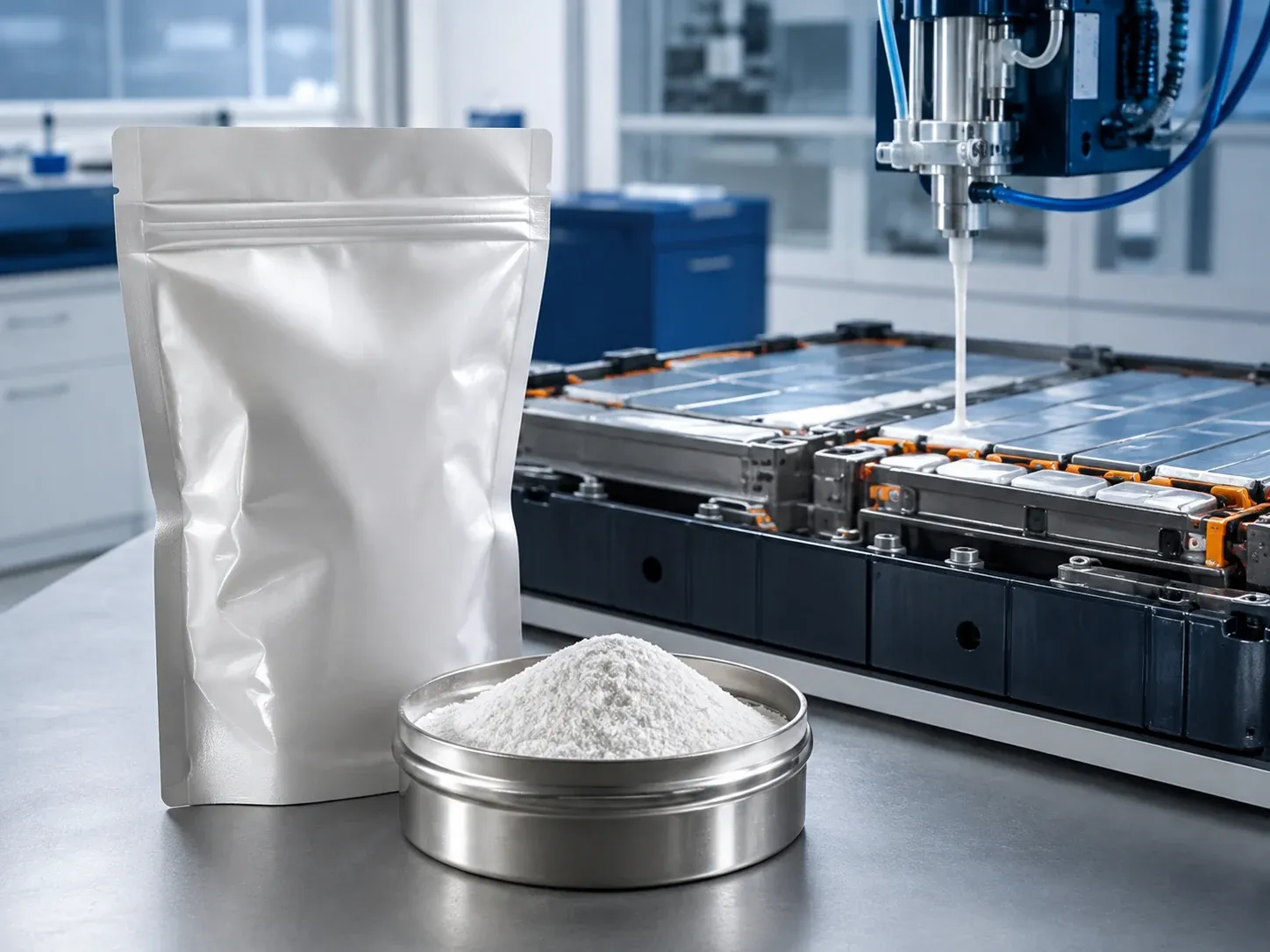
| Standard packing | Moisture-protected 25 kg bags or sealed paper drums | Other packing available by request |
Performance note: Low viscosity build, low oil absorption, dispersion and resin compatibility are formulation-dependent outcomes. Confirm them with the selected natural-quartz grade, treatment level, resin, loading and mixing protocol before production approval.
Hydrophobic Surface Activation
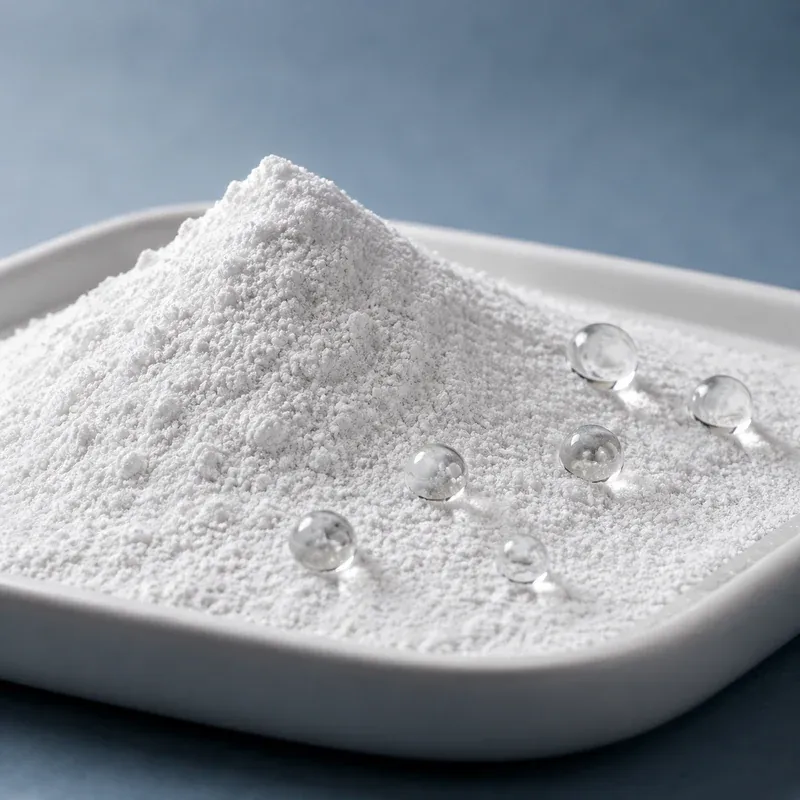
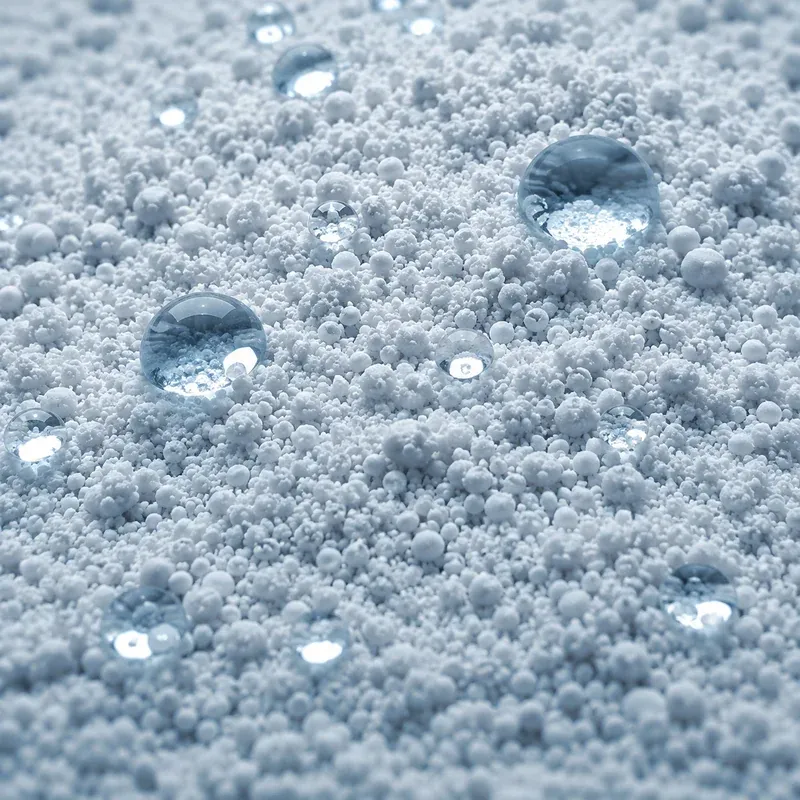
Surface activation reduces the tendency of the mineral surface to be wetted by water. The visual water-beading effect is an indication of the product direction, not a substitute for the agreed hydrophobicity test. Treatment chemistry is selected around the customer’s resin polarity and end-use requirements.
Low-Viscosity Dispersion in Resin Systems
| Product Attribute | Formulation Benefit to Verify | Typical Development Focus |
|---|---|---|
| Hydrophobic active surface | Reduced water wetting and lower moisture sensitivity | Moisture-sensitive polymer and resin formulations |
| Low oil absorption grade | Helps limit resin demand associated with porous or highly absorbent filler | High-solids masterbatch and filled resin loading studies |
| Controlled particle size | Supports repeatable dosing and shorter dispersion development | Thermoplastic compounding and elastomer mixing |
| Natural-quartz mineral chemistry | Provides a defined mineral filler input | Polymer masterbatch, coatings, adhesives and specialty compounds |
Oil Absorption, Compatibility and Quality Control
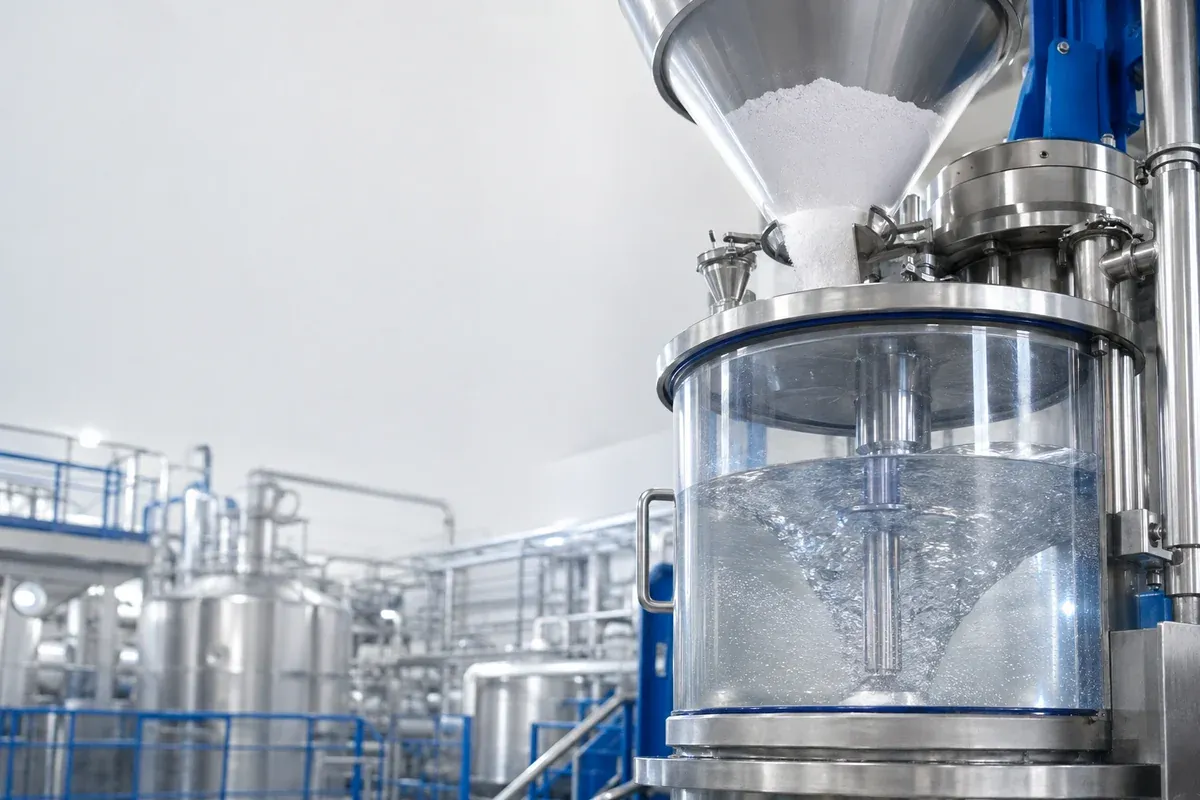
Oil absorption is measured with the customer’s agreed method because the result depends on powder structure, surface treatment and test liquid. Resin compatibility should be assessed in the actual polymer rather than inferred from the powder alone. Batch checks can include chemistry, moisture, particle-size distribution, treatment response and application screening.
- Use the same resin, loading and mixing sequence when comparing treated and untreated grades.
- Record viscosity at a defined temperature, shear rate, rest time and addition level.
- Confirm oil absorption with the agreed method and report the test liquid used.
- Keep treated powder sealed in a dry, ventilated area and follow the applicable SDS and dust-control procedures.

Information Needed for Grade Selection
- Natural-quartz mineral grade and required SiO₂ or impurity limits.
- Polymer or resin type, polarity, filler loading and target viscosity.
- Required hydrophobicity, oil-absorption and dispersion test methods.
- Particle-size range, mixing equipment, temperature and shear conditions.
- Trial quantity, regular demand, packing format and storage conditions.
Frequently Asked Questions
Request an Active Silica Powder Quote
Send your resin type, target viscosity, hydrophobicity and oil-absorption method, particle size, quantity and packing needs.
Request a Quote