Silica Powder for Rubber and Resin Compounds: Compatibility Guide
Learn how to evaluate silica powder in rubber and resin compounds by dispersion, loading, oil absorption, viscosity and curing behavior.
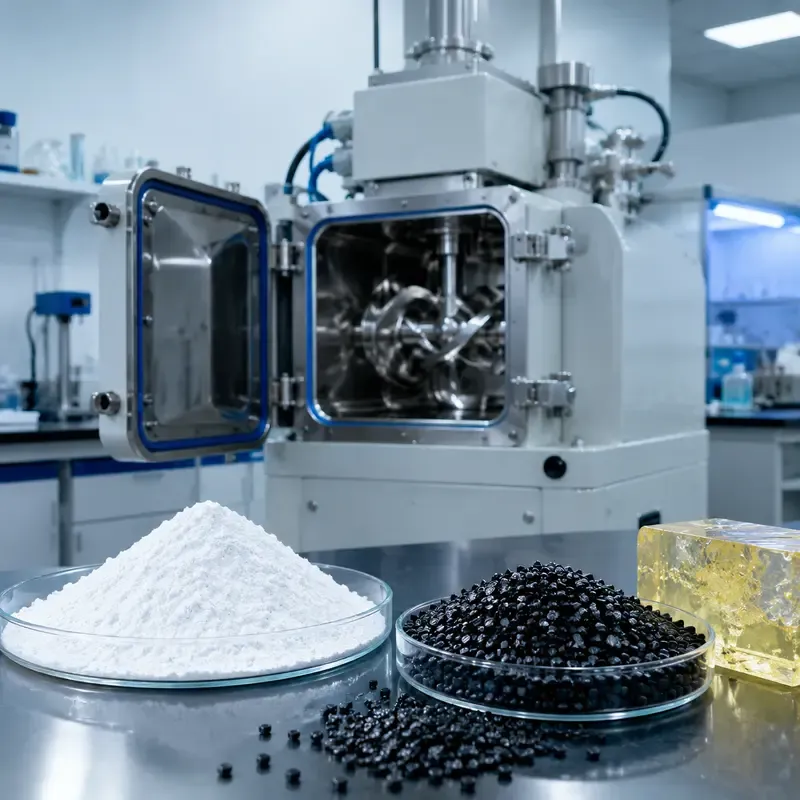
Compatibility in a rubber or resin compound is a system result, not a powder property in isolation.
The buyer must connect silica identity, surface condition, particle size, oil absorption, mixing sequence and cure behavior to the selected polymer. This guide separates the technical questions for elastomer and resin compound trials.
Last updated:
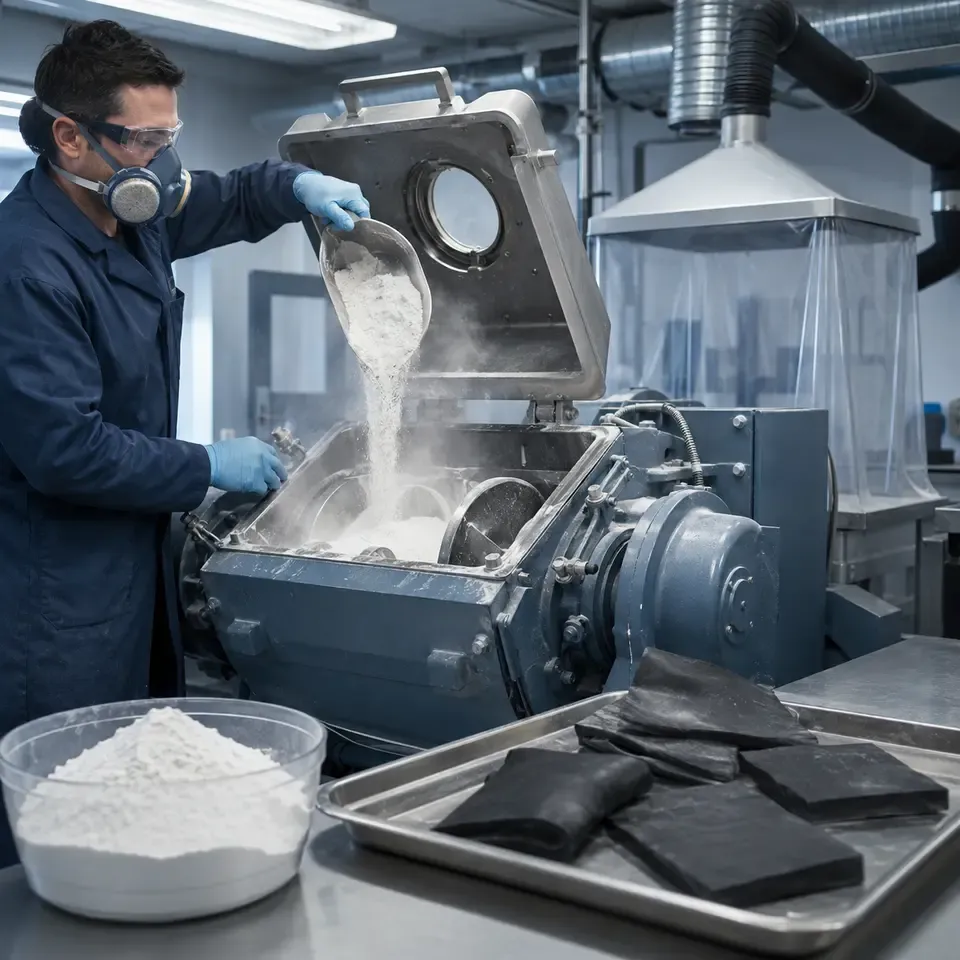
Rubber and Resin Compounds Ask Different Questions
| System | Key powder questions | Useful approval observations |
|---|---|---|
| Rubber compound | Moisture, dusting, dispersion, mixing energy, cure interaction and reinforcement target. | Mixer torque, dispersion, cure curve, hardness, tensile or application-specific result. |
| Thermoset resin | Wetting, oil absorption, viscosity, sedimentation and cure compatibility. | Viscosity, pot life, filler loading, surface appearance and cured properties. |
| Surface-treated grade | Treatment status, hydrophobic behavior and binder compatibility. | Water interaction, wet-out time, dispersion stability and formulation repeatability. |
Oil Absorption and Viscosity Must Be Read Together
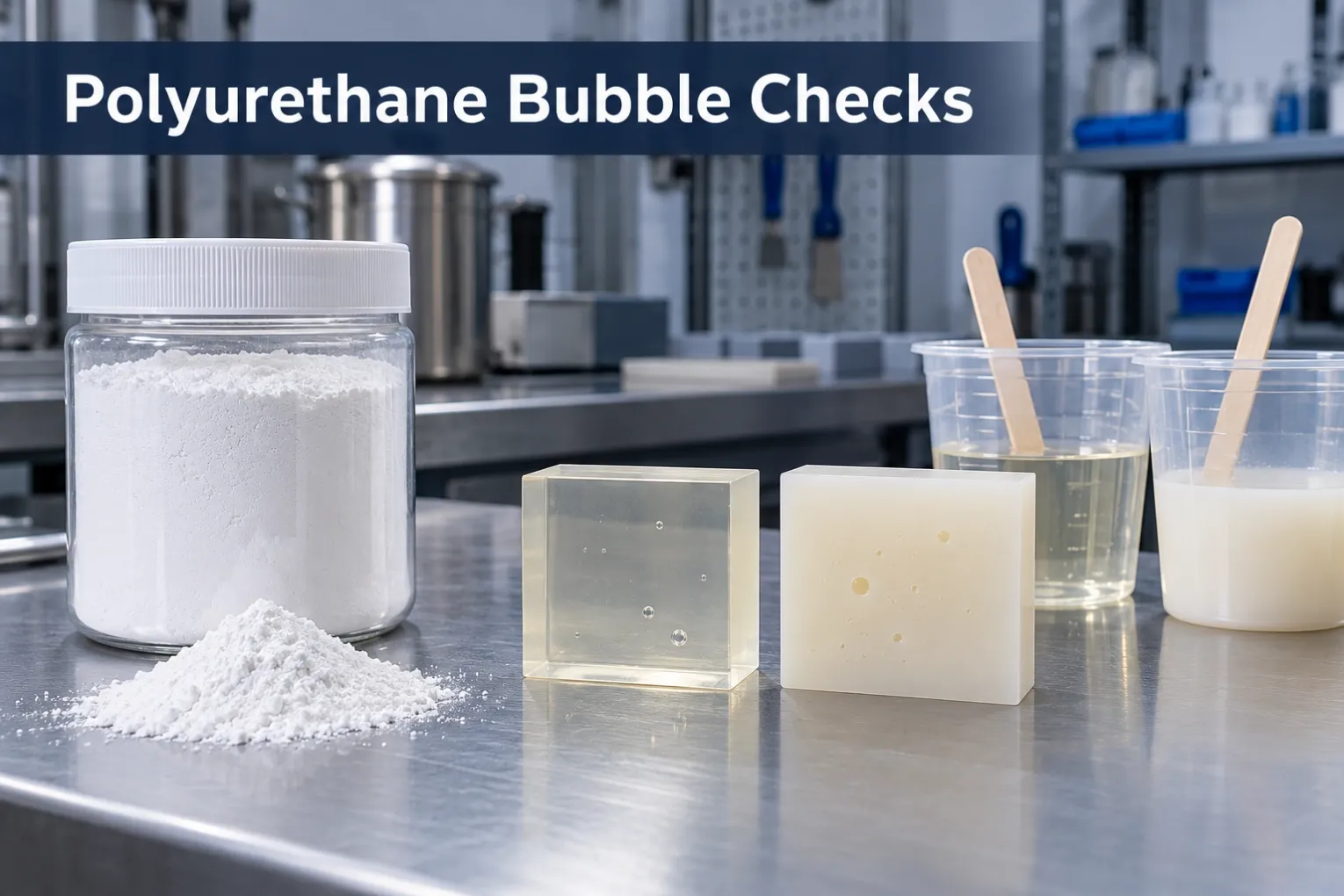
Higher surface area or porosity can increase liquid demand, but oil-absorption values depend on test method and sample condition. A low-viscosity claim is meaningful only when the resin, loading, temperature and shear rate are stated. Buyers should request both the powder result and a matched compound trial.
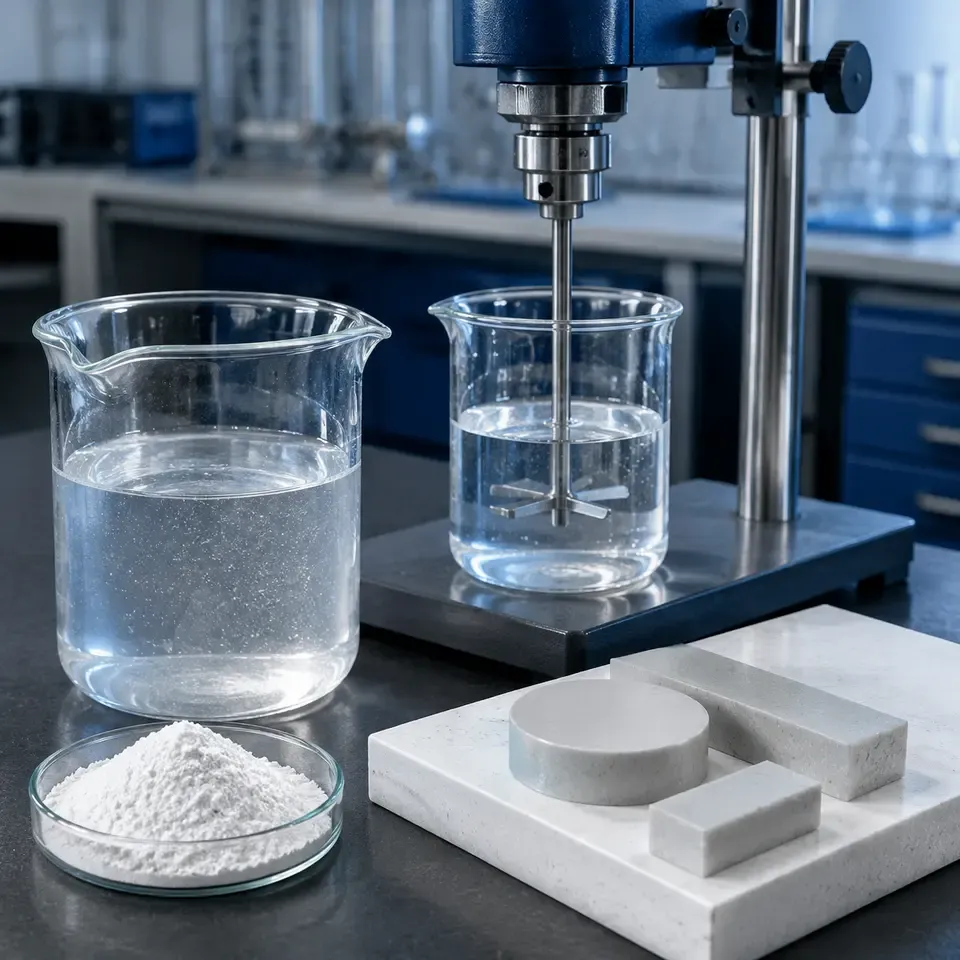
Compound Trial Matrix
| Control | Rubber trial | Resin trial |
|---|---|---|
| Powder addition | Record addition order, mixing energy and dust control. | Record wetting sequence, dispersant and de-airing. |
| Particle size | Match the size method and investigate coarse tail. | Match size method and observe viscosity/settling. |
| Acceptance | Use compound-specific mechanical or process criteria. | Use viscosity, pot life, appearance and cured-property criteria. |
| Traceability | Record grade, lot, operator and batch conditions. | Record grade, lot, formulation and test temperature. |
Changtong’s introduction lists rubber and epoxy among application contexts and describes natural silica powder as a distinct product family. That application scope does not replace a compound-specific approval. The current TDS, COA and trial record should remain linked to the grade decision.
Frequently Asked Questions
Is hydrophobic powder always better for rubber?
Not necessarily. The treatment must match the polymer and mixing system. A treated grade should be compared with an untreated control under the same formulation.
Can particle size predict compound viscosity?
It can indicate a likely surface-area and packing effect, but viscosity also depends on treatment, loading, binder and shear.
What data should a supplier provide for a trial?
Request material identity, particle-size method, chemistry, moisture or handling information, treatment status where relevant, current documents and a lot reference.
Related Changtong Products
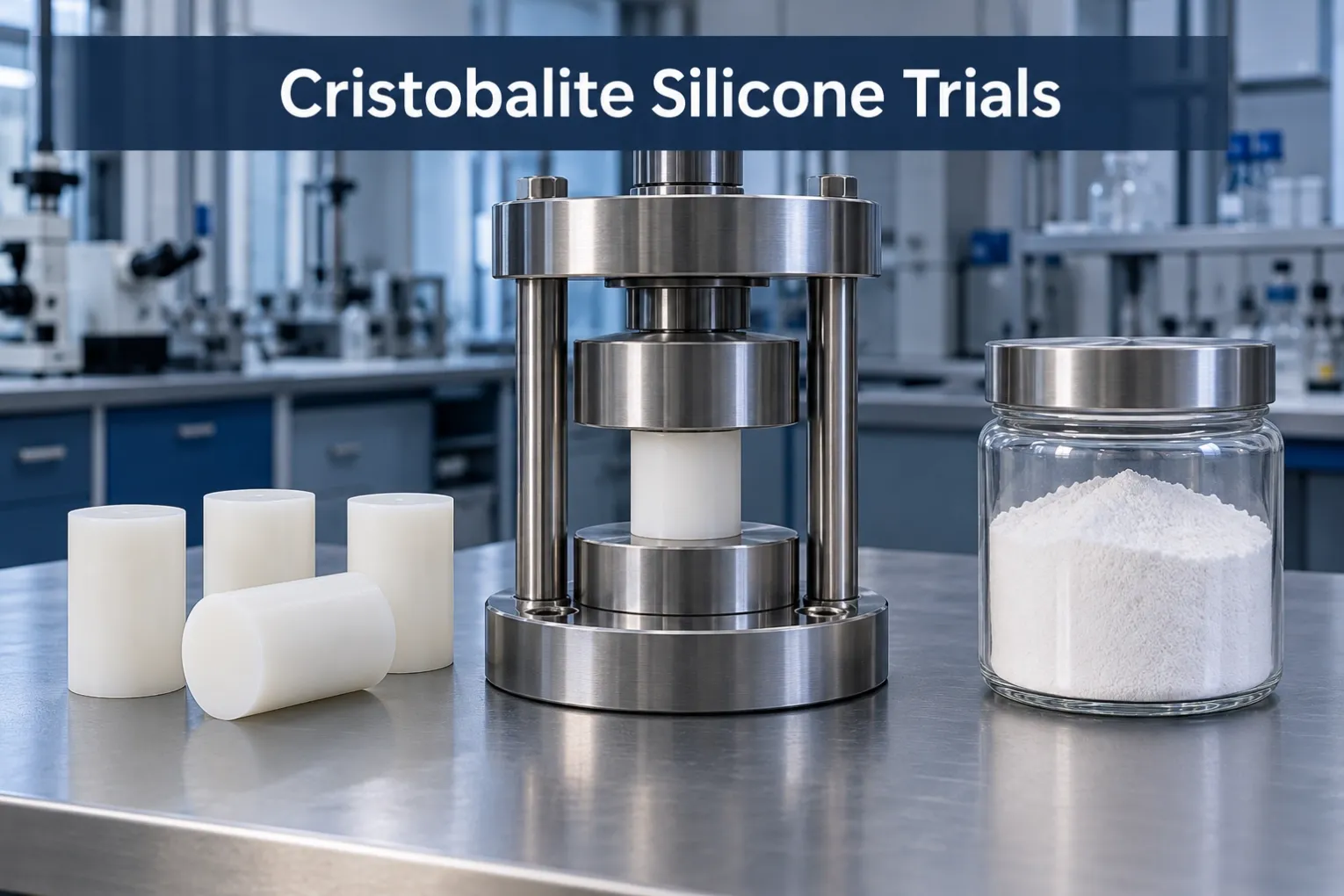
Compare Crystalline Silica Powder for Silicone Rubber 1000–3500 Mesh with Hydrophobic Surface-Treated Silica for Polymer Masterbatch. The correct choice depends on polymer polarity, loading, dispersion method and the customer’s validation results.
References
- ISO 13320 particle-size analysis by laser diffraction.
- Changtong material inquiry workflow.
- Particle-size distribution and process consistency.
Plan a Rubber or Resin Compound Trial
Send the polymer, loading, mixing sequence, viscosity method and acceptance criteria.
Contact Changtong technical sales