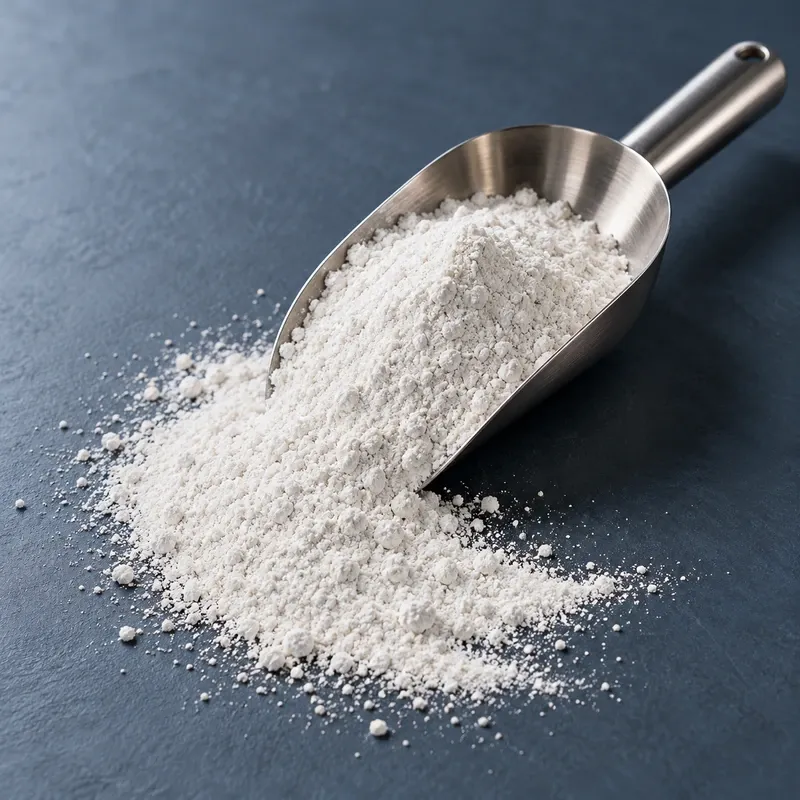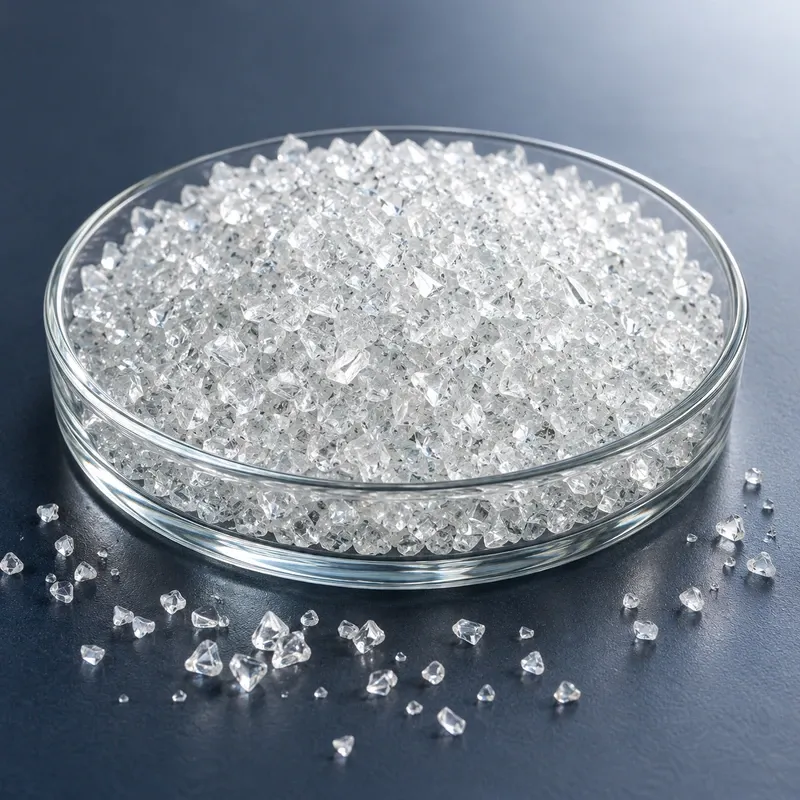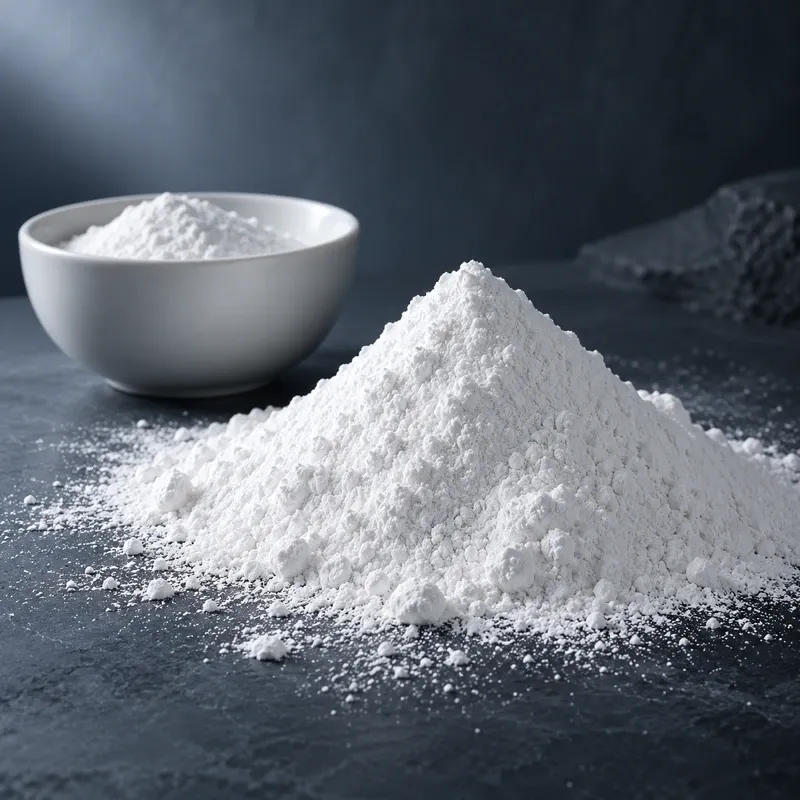
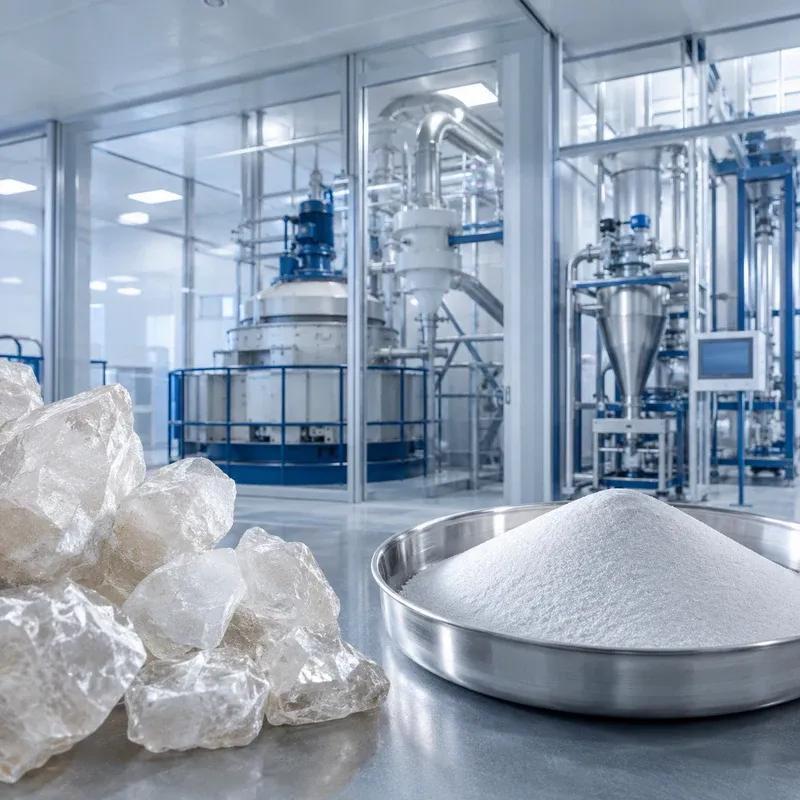
How Is Crystalline Silica Powder Made? Process & Quality Controls
See how natural quartz becomes crystalline silica powder through selection, crushing, grinding, classification, quality testing and dust-controlled packing.
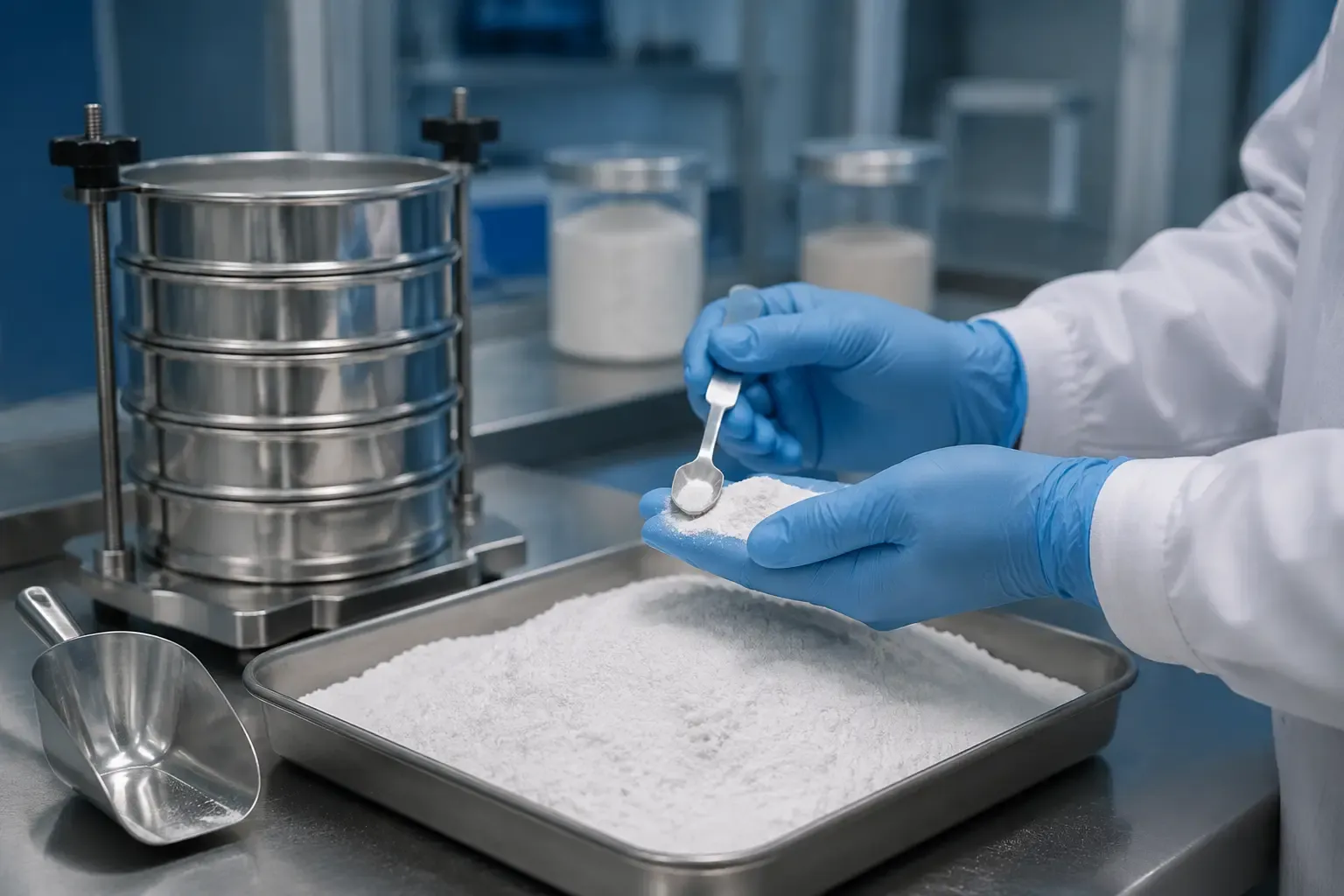
Technical Knowledge
Read practical guidance on silica material selection, particle size, manufacturing, quality documentation and industrial applications.

See how natural quartz becomes crystalline silica powder through selection, crushing, grinding, classification, quality testing and dust-controlled packing.

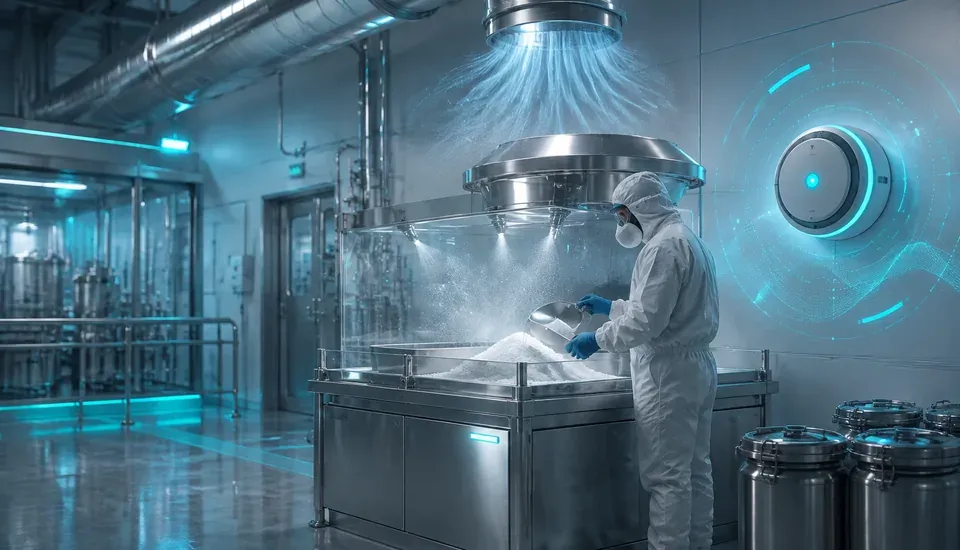
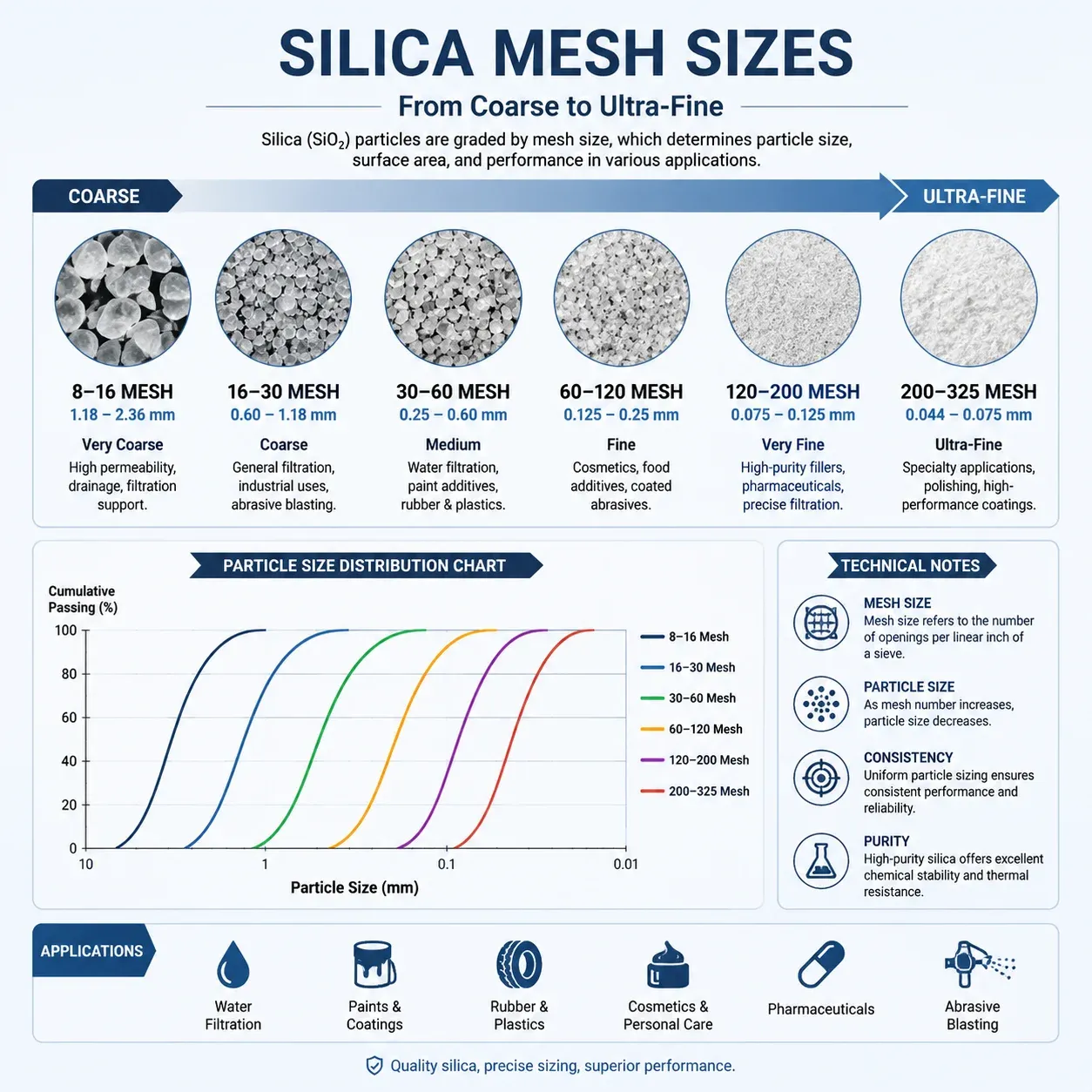
Compare silica powder mesh sizes with micron ranges, understand sieve limits, and write clearer specifications for industrial purchasing.

Learn how to control crystalline silica dust during receiving, transfer, mixing, cleanup, and packaging with a practical facility checklist.

Learn which silica powder quality documents to request, including specifications, lot records, safety information, and test evidence.

Understand how particle size distribution affects silica powder packing, flow, dispersion, and process consistency.

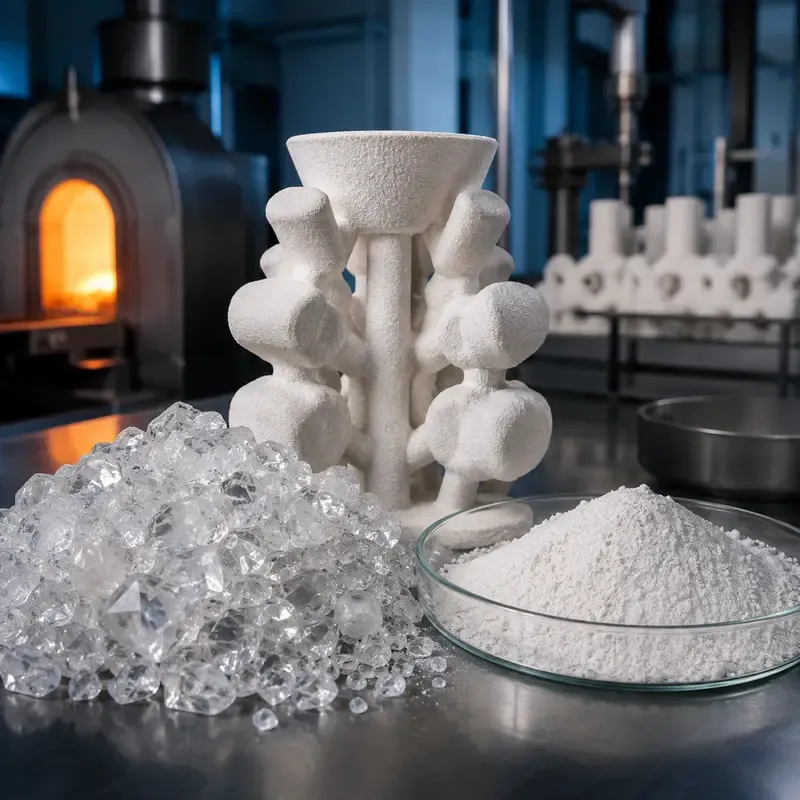
Learn how to evaluate fused silica for investment casting using chemistry, particle size, slurry behavior, and firing requirements.

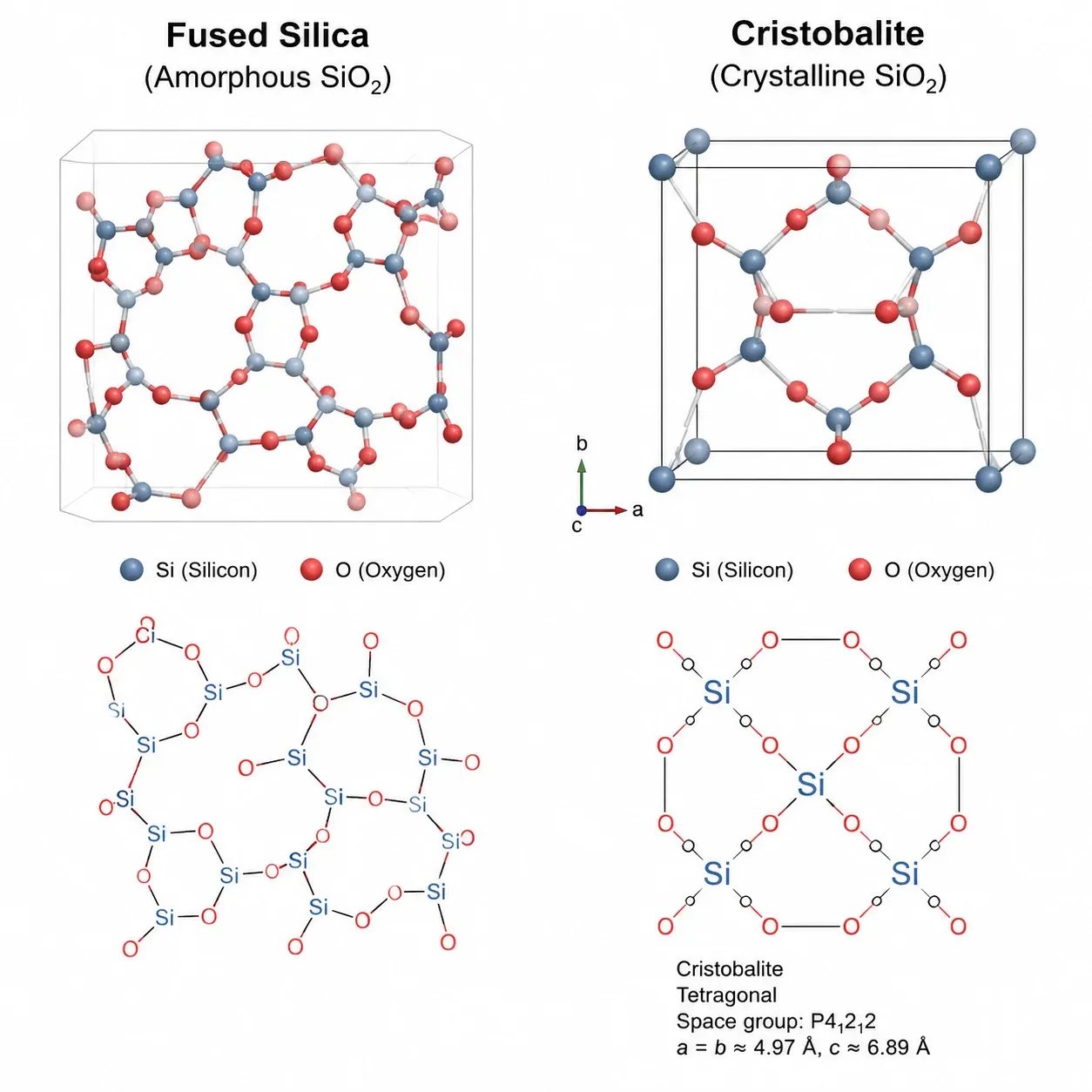
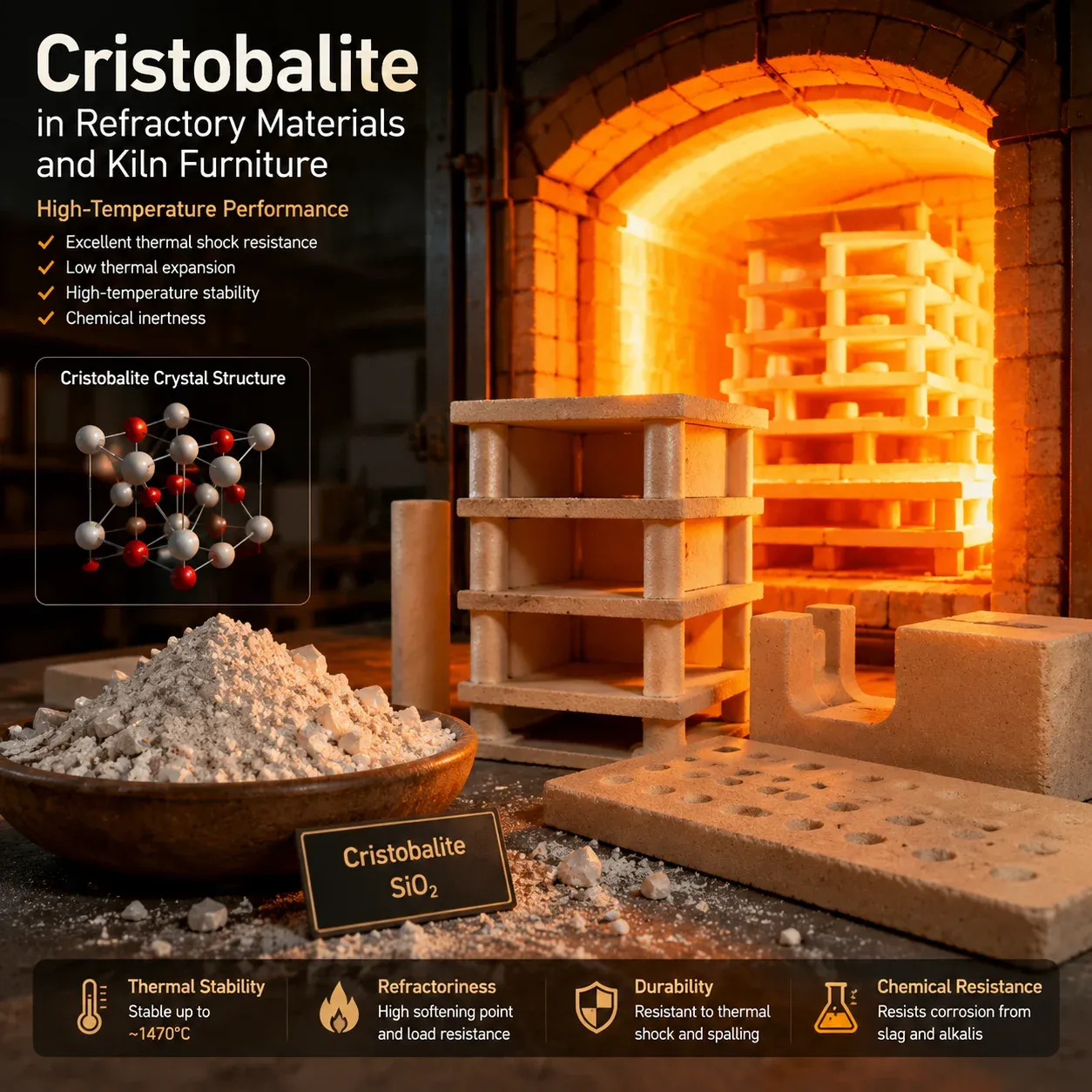
Compare fused silica, cristobalite, and crystalline quartz by structure, properties, process fit, and purchasing questions.

Learn how cristobalite flour is produced through phase conversion, grinding, classification, and particle-size control.

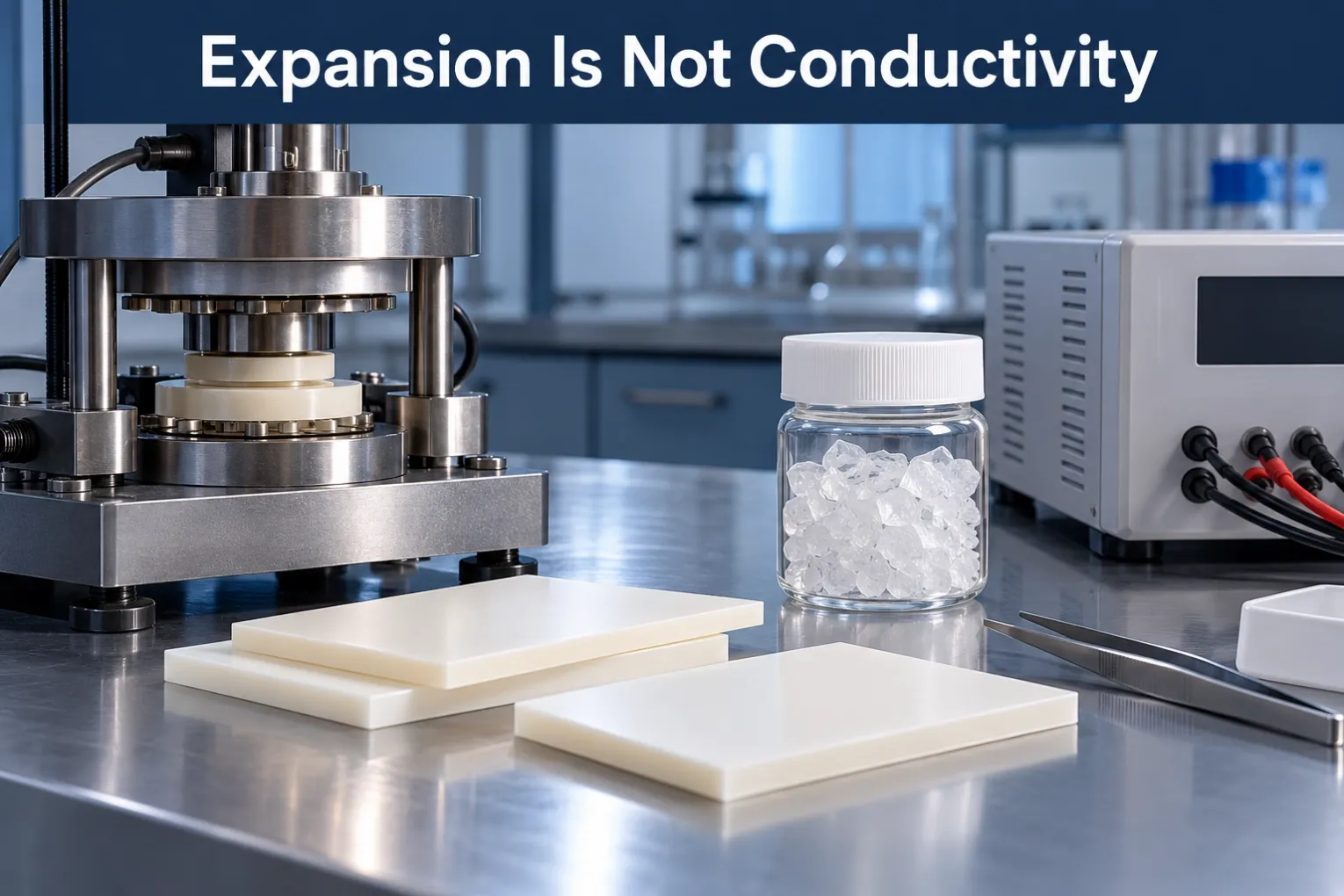
Separate dimensional-control and heat-transfer requirements in fused-silica-filled epoxy. Compare thermal impedance with thickness, contact and casting quality.

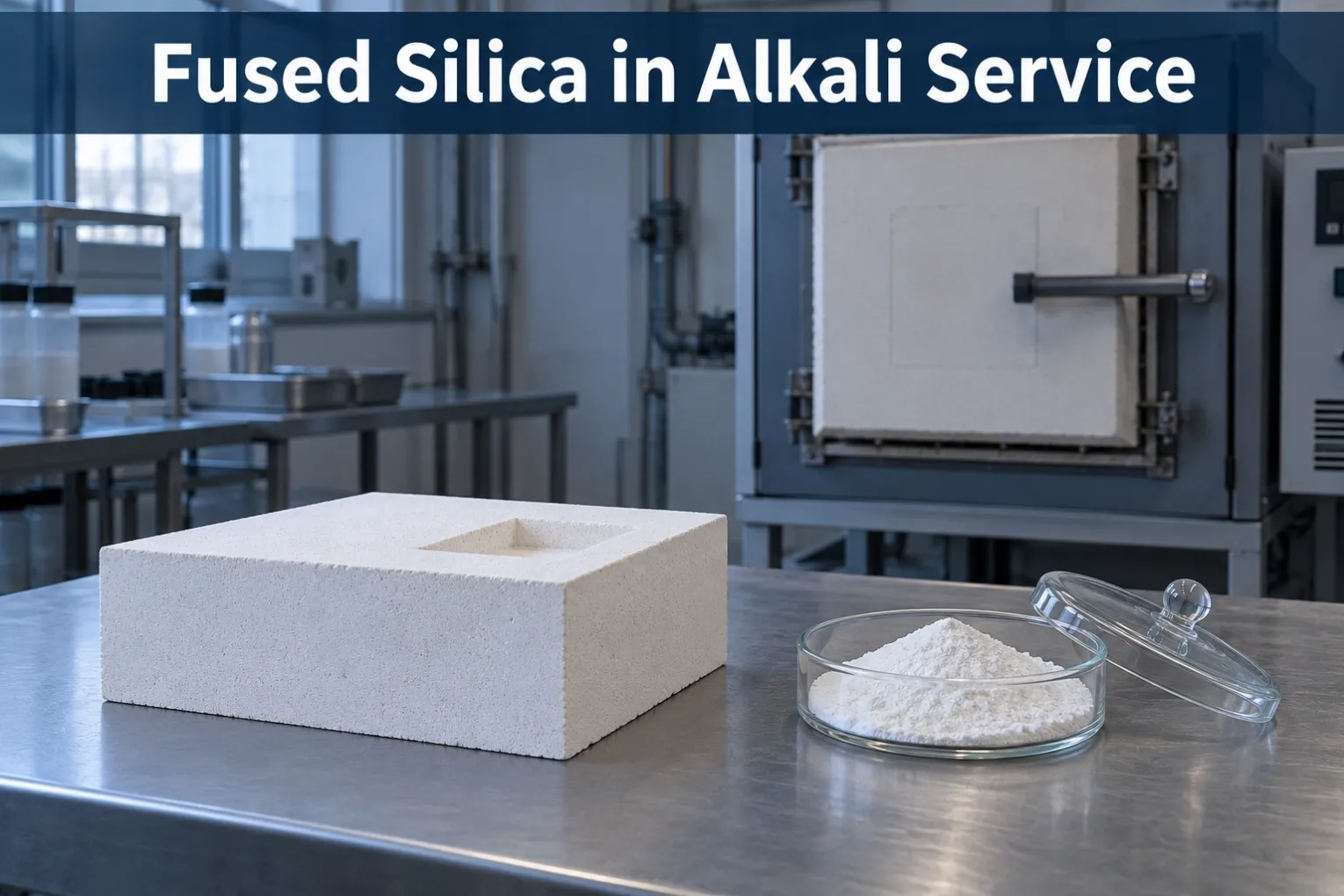
Screen fused silica refractories against the actual alkali deposit, temperature and exposure route. Low expansion does not prove corrosion resistance.

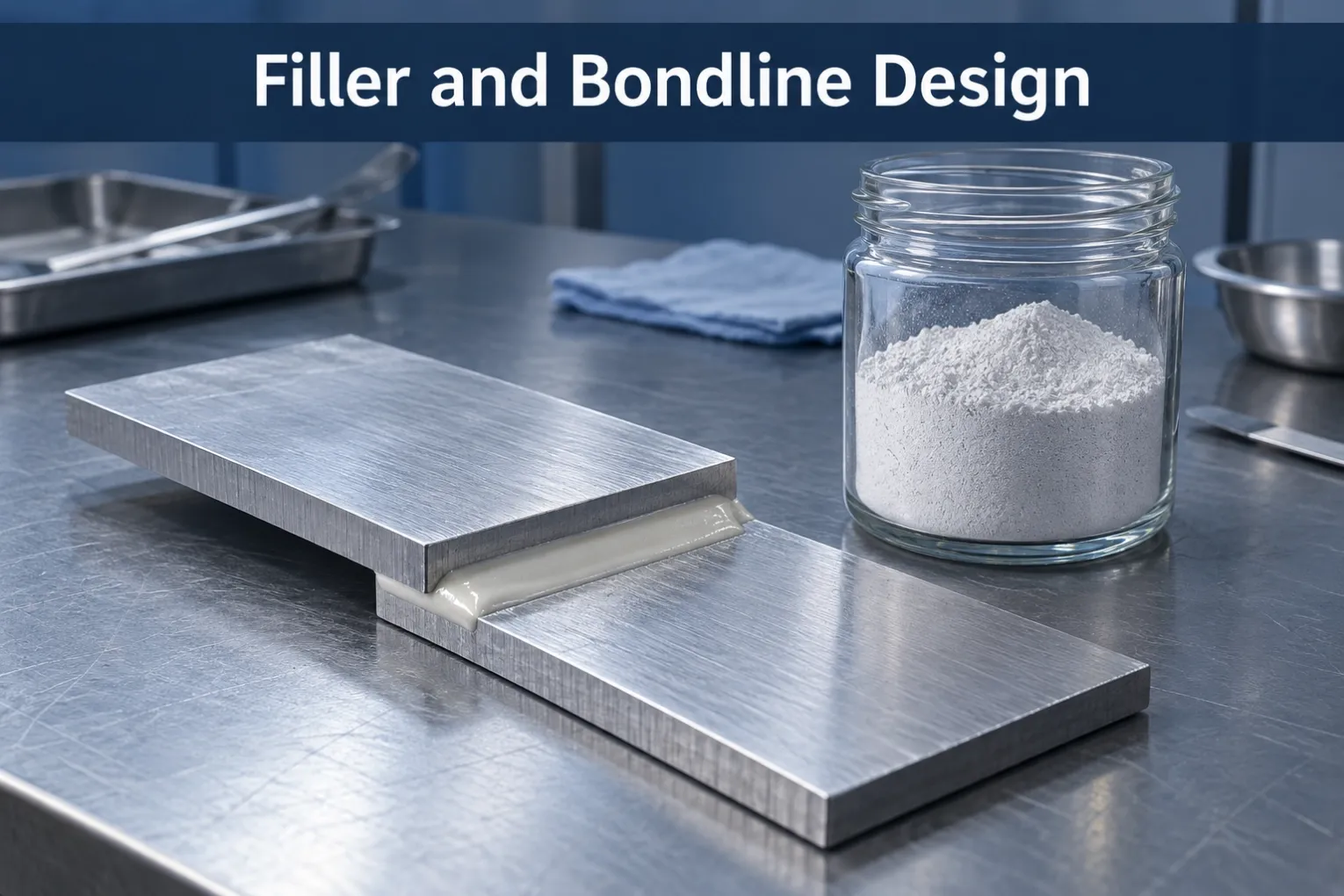
Match quartz filler to the epoxy joint gap, mixed dispersion and assembly method. Compare strength using consistent geometry and failure-surface records.
Related Silica Products
Review representative fused silica, cristobalite and crystalline silica products alongside the technical guidance for each material and application.

Amorphous glass powder filler for zero-crystalline-silica building-panel development. Specify sieve residue, color and moisture for your resin formulation; confirm phase content in the final slab.

Amorphous glass sand aggregate for low-crystalline-silica slab development. Compare fine and mid-size cuts for grain pattern, grading and resin wet-out; agree application-specific acceptance limits.

Amorphous fused silica powder for reformulating engineered stone toward low or zero crystalline silica. Historical qualitative XRD supports phase identification; qualify current lots and slabs.